
for responsible pet ownership and conservation. The most striking divergence between these fascinating reptiles lies in their primary habitat: turtles are largely aquatic or semi-aquatic, while tortoises are strictly terrestrial.
Last updated: July 8, 2026
This habitat preference dictates nearly every other physical and behavioral characteristic. For instance, a turtle’s body is streamlined for efficient movement through water, featuring flatter, more hydrodynamic shells and often webbed feet for paddling. Think of the graceful glide of a sea turtle or the quick maneuvers of a painted turtle in a pond.
Shell Structure and Purpose
The shell, a turtle’s most defining feature, also offers clear clues in the turtle vs tortoise debate. While both have carapaces (top shells) and plastrons (bottom shells) that are fused to their ribs and vertebrae, their shapes and functions differ significantly.
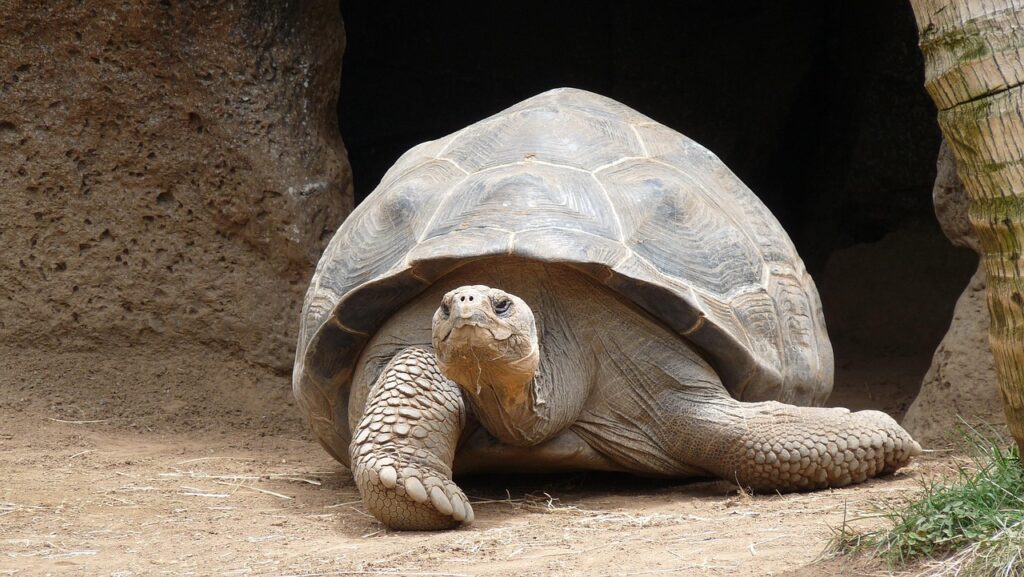
Tortoises typically sport a heavy, dome-shaped shell. This strong dome provides excellent protection against land-based predators, acting like a mobile fortress. It’s less ideal for swimming but offers superb defense when they retract into it.
Turtles, on the other hand, generally have flatter, more streamlined shells. This design reduces drag and aids in buoyancy, making them more agile swimmers. Some aquatic turtles even have lighter shells to help them stay afloat or move quickly through water.
Limbs and Locomotion
Observe their limbs, and you’ll quickly differentiate a turtle from a tortoise. Tortoises are built for walking long distances on land. Their legs are stout, columnar, and elephantine, often with blunt claws, designed to support their heavy bodies and navigate varied terrain.
Turtles, especially aquatic species, have evolved very different limbs. Many possess webbed feet, perfect for paddling and maneuvering in water. Sea turtles have evolved true flippers, which are highly effective for long-distance ocean migrations but make them quite clumsy on land.
Even semi-aquatic turtles, like box turtles, show adaptations for both environments. They might have sturdy legs with claws for digging and moving on land, but still retain a degree of adaptability for shallow water or damp environments.
Dietary Differences: Omnivore vs. Herbivore
When considering turtle vs tortoise as pets, their dietary needs are paramount. Here, a broad generalization holds true: most turtles are omnivores, while tortoises are strict herbivores.
Turtles often supplement their diet with insects, small fish, worms, and even carrion, alongside plant matter. Their omnivorous nature allows them to thrive in diverse environments where food sources vary. This adaptability is key to their survival in both aquatic and terrestrial settings.
Tortoises, however, are primarily vegetarians. Their natural diet consists of grasses, weeds, leafy greens, flowers, and fruits. Providing them with a balanced, high-fiber, low-protein diet is essential for their long-term health. Feeding a tortoise a diet rich in animal protein, for example, can lead to serious health issues like pyramiding of the shell and kidney problems.
Lifespan and Longevity: A Tale of Two Timescales
The question of lifespan brings another significant distinction in the turtle vs tortoise comparison. While both groups are known for their longevity, tortoises generally hold the record for extended life.
Many tortoise species are famously long-lived, with individuals regularly surviving well over 100 years. Some, like the Aldabra giant tortoise, can even live for 150–200 years. This remarkable longevity is a testament to their slow metabolism and protected lifestyle.
Turtles also boast impressive lifespans, but typically not to the same extreme as tortoises. Common pet turtles like red-eared sliders can live 20–40 years with proper care, while larger species like snapping turtles can live 30-50 years or more. Sea turtles, particularly larger species, can also live for many decades, with estimates often reaching 50–80 years or even longer.
Behavior and Temperament Considerations
Understanding the behavioral differences in turtle vs tortoise is vital, especially if you’re considering one as a pet. Tortoises are generally more docile and less active than many turtle species. They spend their days grazing, basking, and exploring their territory.
Turtles, particularly aquatic ones, can be quite active and sometimes skittish. They move quickly in water and may be more inclined to bite if they feel threatened or mistake a finger for food. Their behaviors are closely tied to their need to forage, escape predators, and find mates in their watery or semi-aquatic homes.
From a different angle, some turtles exhibit more complex social behaviors or mating rituals that differ from the more solitary lives of many tortoises.
Pet Ownership: Which Is Right for You?
Deciding between a turtle and a tortoise as a pet is a significant commitment, requiring careful consideration of their unique needs. As of July 2026, reputable reptile care resources emphasize that neither is a ‘low-maintenance’ pet, but their requirements diverge dramatically.
Tortoises demand a lot of space for terrestrial movement, specialized diets of fresh greens, specific temperature and humidity gradients, and often require outdoor enclosures or very large indoor setups. Their long lifespans mean they can be a multi-generational pet. They are generally not handled frequently and prefer to be observed.
Turtles, especially aquatic ones, need large water tanks with powerful filtration systems, precise water temperature control, and basking areas. Semi-aquatic species may need a combination of land and water space. Their active nature and potential for mess require diligent cleaning and maintenance. Handling should be minimal to reduce stress.
Practically speaking, if you have limited space or can’t commit to the extensive setup and maintenance for an aquatic environment, a tortoise might seem more manageable, provided you have the outdoor space. If you can provide a strong aquatic setup, a turtle could be a fit. Always research the specific species you are interested in, as needs vary widely within both groups.
Common Misconceptions and Clarifications
One of the most pervasive misconceptions is that ‘turtle’ is an umbrella term that includes tortoises. While all tortoises are technically turtles (belonging to the order Testudines), not all turtles are tortoises. This is akin to saying all dogs are canines, but not all canines are dogs.
Another confusion arises with terrapins. Terrapins are a type of semi-aquatic turtle that lives in freshwater or brackish environments. They bridge the gap between fully aquatic turtles and fully terrestrial tortoises, often seen basking on logs or mud banks. If you hear ‘terrapin,’ think of a turtle that enjoys both land and water, but still isn’t a tortoise.
Many people also mistakenly believe turtles are slow and sedentary creatures. While tortoises are indeed slow-moving, many turtle species, especially sea turtles, are incredibly fast and agile swimmers, covering vast distances in the ocean.
Expert Insights for Potential Owners
According to the American Association of zookeepers (AAZK) as of 2026, the most critical factor for aspiring owners is understanding the commitment. “Prospective owners must research their chosen species thoroughly, as care requirements can differ dramatically even within the same broad category,” notes an AAZK spokesperson.
For tortoises, this means ensuring adequate space for roaming, a varied herbivorous diet free from excessive sugars and proteins, and proper UVB lighting and heat sources. For aquatic turtles, strong filtration is non-negotiable to maintain water quality, alongside secure basking areas and a diet that balances animal and plant matter.
A common mistake is underestimating the lifespan. A 2026 report by the Society for the Study of Amphibians and Reptiles highlighted that many pet turtles and tortoises are surrendered because owners are unprepared for their decades-long commitment. It’s essential to consider who will care for the animal if you can no longer do so.
Frequently Asked Questions
Are all tortoises turtles?
Yes, all tortoises are considered turtles, belonging to the order Testudines. However, not all turtles are tortoises; the term ‘turtle’ is a broader category that includes aquatic, semi-aquatic, and terrestrial species, while ‘tortoise’ specifically refers to land-dwelling chelonians.
What is the main difference between a turtle and a tortoise?
The primary distinction is habitat: turtles are largely aquatic or semi-aquatic with webbed feet and flatter shells for swimming, while tortoises are strictly land-dwelling with sturdier, dome-shaped shells and elephantine feet for walking.
Can a turtle live on land and a tortoise in water?
Generally, no. Tortoises are adapted for land and can’t survive long-term in water; they can drown if forced into deep water. While some turtles can spend time on land, they require access to water for survival, hydration, and thermoregulation.
What are the key differences in turtle and tortoise shells?
Tortoise shells are typically heavy, dome-shaped, and offer strong protection for terrestrial life. Turtle shells are usually flatter and more streamlined, aiding in swimming and maneuverability in aquatic environments.
Which is a better pet, a turtle or a tortoise?
Neither is inherently ‘better.’ The choice depends on your lifestyle. Tortoises require significant space and specialized terrestrial setups, while aquatic turtles need large, well-filtered water environments. Both are long-term commitments requiring species-specific care.
How long do pet turtles and tortoises live?
Lifespans vary greatly. Many pet tortoises live for 80–150 years, sometimes longer. Pet turtles commonly live 20–50 years, with some species reaching 80 years or more with excellent care.
Information current as of July 2026; pricing and product details may change.
Related read: Ferrell: What it’s and How to Get It in 2026
Source: Britannica
Editorial Note: This article was researched and written by the Made Me Mine editorial team. We fact-check our content and update it regularly. For questions or corrections, contact us. Knowing how to address turtle vs tortoise early makes the rest of your plan easier to keep on track.
Related read: The Rich Flavors of Soutaipasu: A Culinary Journey
Related read: Érone: What It Is and Where to Find It.
Related read: Rome Wasn't Built in One Day: The Art of Patient Progress