
Adenoid Removal Surgery: When Is It Necessary in 2026?
This guide covers everything about Adenoid Removal Surgery: When Is It Necessary?. Adenoids may not be the most frequently discussed part of our anatomy, but they play a significant role in our immune system, especially during childhood. Located at the back of the nasal cavity, these small lymphoid tissues act as a first line of defense, trapping airborne germs and helping to prevent infections.
However, there are instances when adenoids can become more of a hindrance than a help. If you’ve encountered discussions about "adenoid removal surgery," understanding the reasons and timing for such a procedure is essential for both children and parents navigating health concerns. This updated guide explores adenoids, their function, common indications for surgical intervention, preparation, recovery, and recent developments as of April 2026.
Latest Update (April 2026)
Recent medical research continues to refine our understanding of adenoidectomy and its long-term implications. As reported by The University of Melbourne in 2018, studies have indicated potential associations between early-life tonsil and adenoid removal and an increased risk of certain long-term respiratory, allergic, and infectious diseases. More recently, research published in 2026 by Healio highlighted findings suggesting that tonsil and adenoid removal in early life might be linked to a slightly increased risk for stress-related disorders later on.
These findings highlight the importance of careful consideration and thorough evaluation before proceeding with adenoid removal, ensuring it’s truly necessary for the child’s immediate health and well-being. A 2026 report from 2 Minute Medicine mentioned that surgical removal of tonsils and adenoids may slightly increase the risk of cancer development, a factor that requires ongoing research and discussion among medical professionals and parents.
These emerging insights underscore the critical need for a balanced approach to adenoidectomy. While the procedure offers significant benefits for specific conditions like chronic ear infections and severe sleep-disordered breathing, the potential for long-term effects necessitates a complete discussion between physicians and families. As of April 2026, leading pediatric otolaryngology organizations emphasize shared decision-making, ensuring that parents are fully informed about both the immediate advantages and any potential long-term considerations before surgery is scheduled.
The Role of Adenoids in Childhood Health
Adenoids are lymphoid tissues situated at the posterior nasopharynx, forming part of the Waldeyer’s ring, a protective ring of lymphoid tissue in the pharynx. They are most prominent in children between the ages of 3 and 10 years and typically shrink significantly by adolescence. Their primary function involves capturing pathogens, such as bacteria and viruses, that enter the body through the nasal passages.
Immune cells within the adenoids then process these captured pathogens, initiating an immune response and contributing to the development of immunological memory. While crucial for building a solid immune system during early life, enlarged or chronically infected adenoids can obstruct normal bodily functions and lead to a cascade of health problems.
Common Reasons for Adenoid Removal Surgery (Adenoidectomy)
Adenoidectomy becomes a recommended treatment option when adenoid-related problems persistently impact a child’s quality of life, overall health, or developmental trajectory. The decision for surgical intervention is typically made after conservative treatments have proven ineffective and when the benefits of removal clearly outweigh potential risks. Based on current clinical guidelines and expert consensus as of April 2026, the most frequent indications include:
Chronic or Recurrent Infections
One of the most common reasons for considering adenoid removal is the presence of chronic or recurrent infections, particularly affecting the ears and sinuses. Enlarged adenoids can act as a reservoir for bacteria, serving as a persistent source of infection that’s difficult to eradicate with antibiotics alone.
- Recurrent Ear Infections (Otitis Media): Adenoids are anatomically positioned close to the Eustachian tubes, which connect the middle ear to the back of the throat. When adenoids become swollen, inflamed, or infected, they can physically obstruct these narrow tubes. This blockage impedes proper ventilation and drainage of the middle ear, trapping fluid and creating an ideal environment for bacterial proliferation. This often leads to recurrent acute otitis media (ear infections) characterized by ear pain, fever, and temporary hearing loss. Chronic otitis media with effusion (fluid in the ear without acute infection) can also result from Eustachian tube dysfunction secondary to adenoid hypertrophy, potentially impacting speech and language development due to persistent hearing impairment. Data from recent studies, as of April 2026, indicate that adenoidectomy can significantly reduce the frequency of these infections in eligible children.
- Recurrent Sinusitis: Similarly, enlarged adenoids can obstruct the natural drainage pathways of the paranasal sinuses. This obstruction leads to stagnant mucus, fostering bacterial growth and increasing the risk of acute or chronic sinusitis. Symptoms of recurrent sinusitis include persistent facial pain or pressure, thick nasal discharge (often yellow or green), headaches, and chronic nasal congestion that may not respond well to nasal sprays or oral medications. Children experiencing multiple episodes of sinusitis per year may benefit from adenoid removal to restore proper sinus drainage.
Airway Obstruction and Breathing Difficulties
Significant enlargement of the adenoids (adenoid hypertrophy) can substantially narrow the airway at the back of the nasal cavity, leading to partial or complete nasal obstruction. This is a primary concern, particularly during sleep, and can manifest in several ways:
- Mouth Breathing: When nasal breathing becomes difficult due to adenoid blockage, children instinctively resort to breathing through their mouths. This compensatory mechanism can lead to a range of issues, including dry mouth, chapped lips, dental problems such as malocclusion (improper bite) and altered facial structure development over time, and a higher susceptibility to oral infections.
- Nocturnal Snoring and Obstructive Sleep Apnea (OSA): Significant adenoid enlargement is a leading cause of loud, habitual snoring in children. In more severe cases, the obstruction can be so profound that it leads to obstructive sleep apnea (OSA). OSA is a serious sleep disorder characterized by repeated episodes of partial or complete airway collapse during sleep, resulting in pauses in breathing. These breathing interruptions can decrease blood oxygen levels and disrupt sleep architecture, leading to significant daytime consequences such as excessive fatigue, irritability, behavioral problems (including symptoms mimicking ADHD), poor academic performance, and potentially impaired cognitive and physical development. Diagnosing OSA typically requires a formal polysomnography (sleep study). Adenoidectomy is often the first-line surgical treatment for pediatric OSA when adenoid hypertrophy is identified as the primary cause.
Persistent Nasal Congestion and Allergy Symptoms
While adenoids themselves don’t cause allergies, enlarged adenoids can significantly exacerbate existing nasal symptoms in children who have allergies, asthma, or other reactive airway conditions. By physically narrowing the nasal passages, they can worsen chronic congestion, contribute to persistent post-nasal drip (mucus dripping down the back of the throat), and promote mouth breathing. This makes it more challenging for children to manage their underlying respiratory conditions effectively.
Studies, including those previously referenced by The University of Melbourne, have highlighted potential long-term associations between early-life upper airway lymphoid tissue issues and respiratory health. Therefore, the decision for adenoid removal in these cases involves carefully balancing the need for immediate symptomatic relief with a thorough consideration of potential long-term health implications.
Speech and Swallowing Issues
In some instances, severe adenoid hypertrophy can influence speech quality by affecting nasality. This can result in a hypernasal voice, where the sound resonates excessively through the nose, making certain sounds difficult to articulate clearly. While less common than breathing or infection-related issues, significant adenoid enlargement may also contribute to subtle difficulties with swallowing, particularly in very young children. Addressing these issues through adenoidectomy can improve a child’s communication abilities and overall comfort.
Signs and Symptoms Indicating the Need for Surgery
Recognizing the signs and symptoms associated with adenoid enlargement is crucial for timely medical evaluation and potential intervention. Parents and caregivers should be vigilant and consult a pediatrician or ENT specialist if they observe the following:
- Mouth Breathing: A child consistently breathing through their mouth, especially when relaxed or asleep, rather than through their nose.
- Snoring: Loud, frequent snoring during sleep, which may be indicative of airway narrowing.
- Pauses in Breathing During Sleep: Witnessing episodes where a child stops breathing for short periods during sleep, followed by gasping or snorting sounds (a key sign of OSA).
- Restless Sleep: Frequent waking, tossing and turning, or sleeping in unusual positions (e.g., with the neck hyperextended) to try and breathe more easily.
- Chronic Nasal Congestion: Persistent stuffiness or difficulty breathing through the nose that doesn’t resolve with typical treatments.
- Recurrent Ear or Sinus Infections: A pattern of frequent ear infections (e.g., 3 or more in a year) or sinus infections (e.g., 2 or more in a year), or infections that are slow to clear.
- Changes in Voice Quality: A noticeably nasal-sounding voice.
- Daytime Symptoms: Persistent daytime fatigue, difficulty concentrating, behavioral issues, or poor school performance, which could be linked to disrupted sleep from airway obstruction.
Diagnosis and Evaluation
Diagnosing adenoid hypertrophy and determining the need for surgery involves a multi-faceted approach. An ENT specialist will typically:
- Take a Detailed Medical History: This includes gathering information about the child’s symptoms, their duration, frequency, and impact on daily life, as well as a history of ear infections, sinus issues, and sleep disturbances.
- Perform a Physical Examination: This involves examining the child’s nose, throat, and ears. However, visualizing the adenoids directly can be challenging due to their location.
- Utilize Diagnostic Tools: To confirm the size and extent of adenoid enlargement and its impact on the airway, specialists may use:
- Nasopharyngoscopy: A flexible, fiber-optic scope is gently inserted into the child’s nose to visualize the adenoids and surrounding structures in real-time. This is often considered the gold standard for direct visualization.
- X-rays: A lateral neck X-ray can provide an estimate of adenoid size and airway patency, though it’s less precise than nasopharyngoscopy.
- Sleep Study (Polysomnography): If obstructive sleep apnea is suspected, a sleep study is essential to objectively measure breathing patterns, oxygen levels, and sleep stages during sleep.
Based on the findings from the history, physical exam, and diagnostic tests, the ENT specialist will discuss the treatment options with the parents, weighing the severity of the symptoms against the potential benefits and risks of adenoidectomy.
The Adenoidectomy Procedure
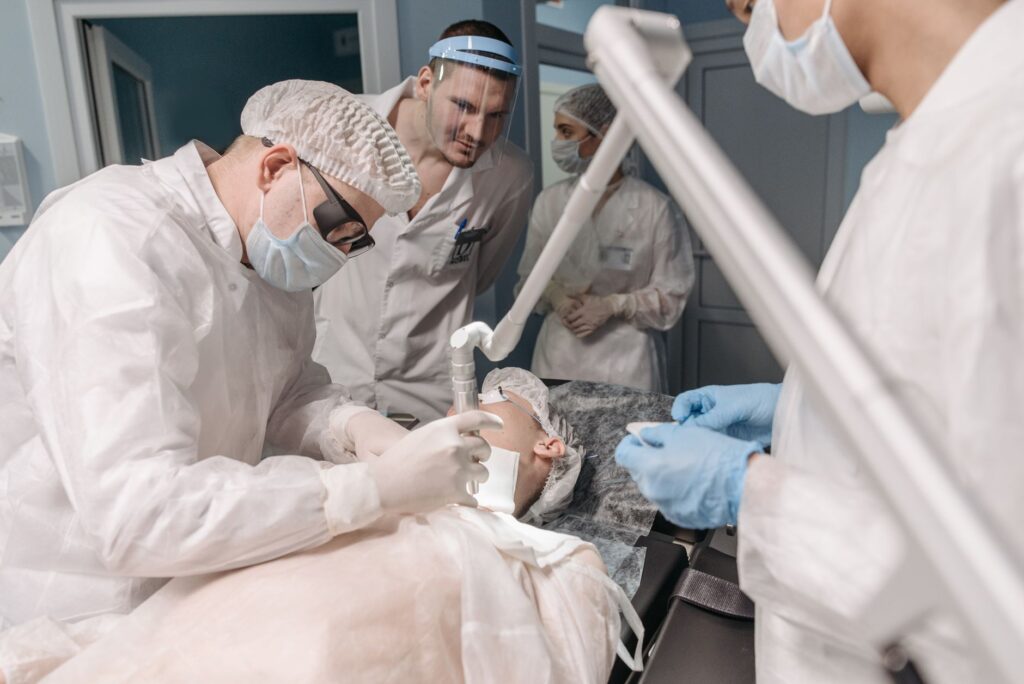
Adenoidectomy is a common surgical procedure performed to remove the adenoid tissue. It’s typically done under general anesthesia. As of April 2026, the procedure is generally considered safe and effective, with most children recovering quickly.
Surgical Techniques
Several techniques can be used to remove the adenoids:
- Curettage: Adenoid tissue is scraped away using a curette (a sharp, spoon-shaped instrument).
- Microdebrider Adenoidectomy: A powered instrument (microdebrider) is used to suction and shave away the adenoid tissue. This method allows for precise removal and can help minimize bleeding.
- Coblation (Radiofrequency Ablation): This technique uses radiofrequency energy to gently remove tissue at relatively low temperatures. It’s known for its effectiveness and reduced bleeding.
- Electrocautery: Heat generated by electrical current is used to remove tissue and control bleeding.
The choice of technique often depends on the surgeon’s preference, the patient’s specific anatomy, and the need to control bleeding. In many cases, adenoidectomy is performed in conjunction with other procedures, such as tonsillectomy or ear tube insertion, especially if the child has recurrent ear infections or sleep-disordered breathing.
Anesthesia and Sedation
Adenoidectomy is performed under general anesthesia, meaning the child will be asleep and pain-free during the surgery. Modern anesthesia techniques are very safe for children. In some very select cases for older children with milder symptoms, intravenous sedation might be an alternative, but general anesthesia remains the standard for most adenoidectomies.
Preparing for Adenoid Removal Surgery
Proper preparation is key to ensuring a smooth surgical experience and recovery. Parents should:
- Follow Pre-Operative Instructions: This typically includes instructions regarding fasting (no food or drink) for a specified period before the surgery, usually 6-8 hours for food and 2-4 hours for clear liquids.
- Discuss Medications: Inform the surgical team about all medications and supplements the child is taking, as some may need to be temporarily stopped, particularly blood-thinning medications.
- Address Concerns: Talk to the child about the surgery in an age-appropriate manner to alleviate anxiety. Explain that they will sleep during the procedure and wake up feeling groggy.
- Arrange for Transportation: Ensure reliable transportation to and from the surgical facility and have someone available to stay with the child for at least 24 hours post-operation.
Recovery After Adenoidectomy
Recovery from adenoidectomy is generally straightforward, but some discomfort is expected. Most children can return to normal activities within a week to 10 days.
- Pain Management: Pain is usually mild to moderate and can typically be managed with over-the-counter pain relievers like acetaminophen or ibuprofen. The surgeon will provide specific recommendations.
- Diet: Start with clear liquids and gradually advance to soft foods as tolerated. Avoid hard, crunchy, or spicy foods that could irritate the surgical site. Hydration is paramount.
- Activity: Encourage rest for the first few days. Limit strenuous activities, sports, and rough play for about a week to 10 days to prevent bleeding.
- Monitoring for Complications: Watch for signs of bleeding (e.g., bright red blood from the nose or mouth, vomiting blood), fever, or increased pain, and contact the doctor immediately if these occur.
- Potential Side Effects: Some temporary side effects may include a sore throat, low-grade fever, nasal congestion, a change in voice (temporary), and bad breath as the surgical site heals.
Potential Risks and Complications
While adenoidectomy is considered a safe procedure, like any surgery, it carries potential risks. These are relatively uncommon but include:
- Bleeding: The most significant risk, though usually minor and manageable. Significant bleeding requiring re-operation is rare.
- Infection: Although uncommon, infection at the surgical site can occur.
- Anesthesia Risks: Risks associated with general anesthesia, which are very low in healthy children.
- Regrowth of Adenoid Tissue: In some cases, remaining adenoid tissue can regrow over time, potentially leading to a recurrence of symptoms.
- Changes in Voice: A change in voice quality, usually temporary, can occur.
- Injury to Nearby Structures: Very rarely, structures near the adenoids, such as the Eustachian tubes or the soft palate, could be affected.
The surgical team will discuss these risks in detail before obtaining informed consent.
Recent Developments and Future Considerations
As of April 2026, research continues to explore the long-term impacts of adenoidectomy, particularly in conjunction with tonsillectomy. The findings from institutions like The University of Melbourne and publications like Healio highlight a growing awareness of potential links between early-life removal of these tissues and later health outcomes, including respiratory, allergic, and even stress-related disorders. The report from 2 Minute Medicine regarding a potential slight increase in cancer risk warrants continued investigation but should be considered within the context of current understanding and the immediate benefits the surgery provides for severe conditions.
This evolving body of evidence emphasizes the importance of judicious decision-making. Pediatric otolaryngologists are increasingly focusing on precise diagnosis and patient selection, ensuring that surgery is reserved for cases where the benefits clearly outweigh the potential risks. Advances in surgical techniques, such as the microdebrider and coblation methods, aim to improve precision, reduce bleeding, and potentially minimize long-term tissue changes. Ongoing studies are investigating non-surgical management options and the role of the microbiome in upper airway health, which may influence future treatment approachs.
Frequently Asked Questions
Will my child need their tonsils removed too?
Whether tonsils also need to be removed depends on the specific symptoms and diagnosis. If a child has significant tonsil issues (like recurrent tonsillitis or large tonsils contributing to airway obstruction) alongside adenoid problems, the surgeon may recommend a combined tonsillectomy and adenoidectomy (T&A). This is often performed at the same time to address all issues in one surgical session, potentially reducing the need for multiple anesthesias and recovery periods. Your ENT specialist will make this recommendation based on a thorough evaluation.
How long does it take for a child to fully recover from adenoid removal?
Most children can return to school and light activities within 7 to 10 days after adenoid removal. Full recovery, meaning complete return to all normal activities without any lingering symptoms or restrictions, typically takes about two weeks. During this time, it’s important to follow the surgeon’s post-operative care instructions regarding diet, activity, and pain management to ensure optimal healing and minimize the risk of complications.
Can adenoids grow back after surgery?
While adenoid tissue is surgically removed, it’s possible for small remnants of adenoid tissue to remain or for the tissue to regrow over time. This is more common in younger children who have the surgery at a very early age. If regrowth occurs and causes significant symptoms to return, further evaluation and potentially another procedure might be necessary, though this is not the typical outcome.
What are the long-term effects of having adenoids removed?
For most children who undergo adenoidectomy for clear medical indications like recurrent infections or significant airway obstruction, the long-term effects are overwhelmingly positive, leading to improved health and quality of life. However, as highlighted by recent research as of April 2026, there’s an ongoing area of study regarding potential associations between early-life removal of adenoids (and tonsils) and an increased risk of certain long-term conditions, such as respiratory, allergic, or stress-related disorders. These associations are complex and require further research to understand causality. The current medical consensus is that for children with severe symptoms significantly impacting their health and development, the benefits of adenoidectomy often outweigh these potential long-term considerations.
Is adenoid removal painful for the child?
The surgery itself is performed under general anesthesia, so the child won’t feel any pain during the procedure. After surgery, there’s typically some discomfort, often described as a sore throat, ear pain (referred pain from the surgical site), or general malaise. This pain is usually manageable with prescribed or over-the-counter pain medications, and it generally subsides within a few days to a week. The surgical team will provide guidance on pain management to ensure the child is as comfortable as possible.
Conclusion
Adenoid removal surgery, or adenoidectomy, remains a vital intervention for children experiencing significant health issues related to enlarged or infected adenoids. As of April 2026, the primary indications—recurrent infections, obstructive sleep apnea, and chronic airway obstruction—continue to be the driving forces behind surgical recommendations. While recent research has brought to light potential long-term considerations, the established benefits for improving a child’s immediate health, sleep quality, and overall well-being in cases of severe adenoid hypertrophy are substantial.
A thorough evaluation by an experienced ENT specialist, coupled with open communication between the medical team and parents, is essential to determine if adenoidectomy is the appropriate course of action. The procedure, when performed for the right reasons, offers a high likelihood of symptom resolution and a significant improvement in a child’s quality of life.
Source: World Health Organization
Related Articles
- Calamariere: Your Ultimate 2026 Seafood Guide
- MissAV AI: The Evolving Role of Artificial Intelligence in 2026
- Nsetprag: What You Need to Know in 2026
Editorial Note: This article was researched and written by the Made Me Mine editorial team. We fact-check our content and update it regularly. For questions or corrections, contact us.
Related read: 5 Signs Your Child May Need Adenoid Removal
Related read: Obstetrika: Supporting Safe Pregnancies.