
storical Roots and Roman Realities
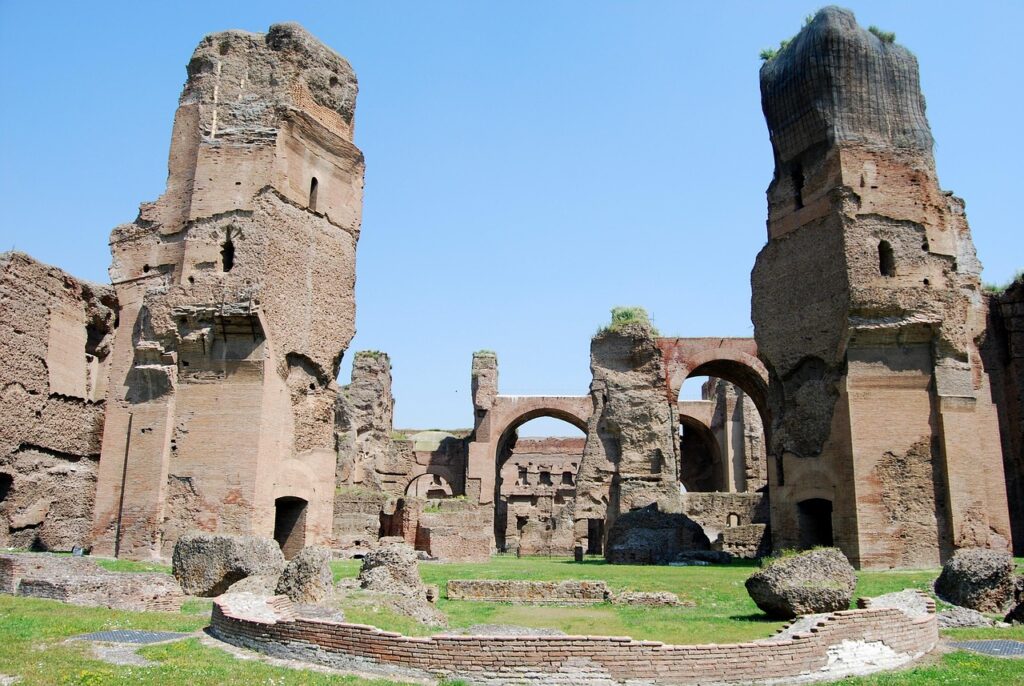
The saying ‘rome wasn’t built in one day’ isn’t just a catchy phrase; it’s rooted in historical fact. Ancient Rome, the very city that inspires the proverb, was not constructed in a single day, week, or even decade. Its development spanned centuries, evolving from a small settlement into a vast empire with monumental architecture and sophisticated infrastructure.
Last updated: August 23, 2026
The Romans themselves were known for their engineering prowess and long-term vision. Structures like the Colosseum, aqueducts, and roads were massive undertakings, requiring generations of planning, labor, and refinement. The sheer scale and longevity of Roman civilization underscore the proverb’s literal truth. According to the historical consensus, the foundational period of Rome began around the 8th century BCE, and its influence as a major power continued for over a millennium, showcasing a monumental, multi-generational build.
Applying ‘Rome Wasn’t Built in One Day’ in 2026
In our fast-paced digital world of 2026, the pressure for instant results can feel overwhelming. We see highlight reels on social media, and products promising overnight transformation. This is precisely why the wisdom of ‘rome wasn’t built in one day’ is more relevant than ever. It’s a crucial reminder for anyone pursuing ambitious goals.
Practically speaking, this means breaking down large objectives into smaller, manageable steps. Instead of aiming to write a 300-page novel in a week, focus on writing 500 words a day. For a new business, instead of expecting immediate profitability, concentrate on building your customer base, refining your product, and establishing a strong brand presence over months and years. This approach makes daunting tasks less intimidating and celebrates incremental progress.
Personal Development and Skill Acquisition
Mastering a new language, learning a musical instrument, or developing leadership skills all require consistent practice and time. You won’t become fluent in Spanish after one lesson, nor will you play a concerto after a few piano sessions. Each practice session, each hour spent studying, contributes to the overall growth.
From a different angle, consider the psychological benefits. Focusing on small, achievable daily or weekly goals provides a sense of accomplishment, which fuels motivation. This continuous reinforcement helps build momentum, making it easier to stick with your efforts even when faced with setbacks. The cumulative effect of these small wins is what ultimately leads to significant personal growth.
Business and Entrepreneurship
Starting and growing a successful business is a prime example of a task that can’t be rushed. While some startups achieve rapid growth, their foundations are often built on years of groundwork, market research, and iterative development.
For instance, a tech startup might spend years in research and development before a product launch. Even after launch, continuous innovation, customer feedback integration, and market adaptation are necessary. The initial idea might be conceived quickly, but bringing it to fruition, scaling it, and making it sustainable is a marathon, not a sprint. Building a strong company culture or a loyal customer base also takes considerable time and consistent nurturing.
Relationships and Community Building
Trust, understanding, and deep connections in relationships aren’t forged overnight. They are built through shared experiences, open communication, mutual respect, and consistent support over time. Whether it’s a friendship, a romantic partnership, or a strong community network, these bonds require ongoing investment.
Similarly, building a thriving community, whether online or offline, involves consistent engagement, fostering dialogue, and addressing the needs of its members. It’s about creating a space where people feel valued and connected, a process that unfolds organically through shared purpose and sustained interaction.
Practical Tips for Patient Progress
Embracing the ‘rome wasn’t built in one day’ philosophy doesn’t mean passively waiting for results. It means actively engaging in the process with patience and strategic effort. Here’s how to cultivate this mindset:
Break Down Big Goals
Large, amorphous goals can be daunting. The key is to dissect them into smaller, actionable tasks. For example, if your goal is to run a marathon, your steps might include: gradually increasing mileage, incorporating strength training, focusing on nutrition, and building up to longer training runs. Each small step completed is a victory and a building block.
This method not only makes the overall objective feel more achievable but also provides regular opportunities for success, boosting motivation. It transforms an overwhelming mountain into a series of manageable hills to climb.
Celebrate Small Wins
Don’t wait until you’ve reached the final milestone to acknowledge progress. Every intermediate step successfully completed is a reason to celebrate. Did you stick to your workout plan for a week? Did you finish a challenging chapter of a book? Acknowledge these achievements. This positive reinforcement is crucial for maintaining momentum and preventing burnout.
A simple way to do this is to keep a progress journal or to share your small successes with a supportive friend or colleague. This external validation can be incredibly powerful in keeping you motivated through longer projects.
Embrace the Learning Curve
Understand that setbacks and mistakes are not failures, but integral parts of the learning process. When learning a new skill, you will inevitably make errors. The crucial aspect is how you respond to them. View them as opportunities to understand what went wrong and how to improve. This mindset shifts focus from the fear of failure to the pursuit of growth.
John Ray, in his 1768 definition of proverbs, noted that they often contain more than is expressed, implying a deeper wisdom. This proverb’s deeper wisdom is that the journey of construction—learning, adapting, and refining—is where true mastery is built.

Practice Mindfulness and Patience
Cultivating patience is an active practice. Mindfulness techniques, such as meditation or simply being present in the moment, can help manage the frustration that arises from slow progress. By focusing on the ‘now’ and appreciating the current effort, you reduce anxiety about the future outcome.
From a different angle, actively seeking out experiences that require patience, like gardening or intricate crafting, can build this capacity over time. The more you practice delaying gratification and focusing on the process, the stronger your patience muscle becomes.
Focus on Consistency Over Intensity
Sporadic bursts of intense effort are rarely as effective as consistent, steady work. For example, dedicating 30 minutes to learning a language every day is far more impactful in the long run than cramming for five hours once a month. Consistency builds habits, reinforces learning, and ensures steady progress.
This principle is the bedrock of many success stories. It’s not about having superhuman bursts of energy, but about showing up and doing the work, day in and day out. The cumulative effect of this regular effort is what truly builds something lasting.
Common Misunderstandings and How to Avoid Them
While the proverb ‘rome wasn’t built in one day’ is generally positive, there are ways it can be misinterpreted, potentially hindering progress rather than helping it.
Using it as an Excuse for Laziness
One common pitfall is using the saying to justify inaction or a lack of effort. The proverb advocates for patience in the face of complexity, not for idleness. It assumes that significant effort is being applied, but that the task is inherently time-consuming.
To avoid this, ensure you are actively working towards your goal. If progress is slow due to lack of effort rather than inherent complexity, the proverb isn’t applicable. Be honest with yourself about whether you are truly working diligently.
Setting Unrealistic Timelines
Conversely, blindly applying the proverb can lead to setting overly generous or non-existent timelines, which can also be demotivating. While Rome wasn’t built in a day, it also wasn’t built over millennia without any intermediate milestones.
It’s important to set realistic, yet challenging, intermediate goals. These provide structure and allow you to track progress. The proverb should encourage patience, not resignation to an indefinite, unmanaged timeline. For instance, a two-year project timeline is reasonable, but a twenty-year timeline for something that could realistically be done in five years might be counterproductive.
FAQ: Frequently Asked Questions
What is the literal meaning of ‘Rome wasn’t built in one day’?
The literal meaning refers to the historical fact that the city of Rome, a vast and complex metropolis, took many centuries to develop from its founding into a major world power.
Is ‘Rome wasn’t built in one day’ a proverb or an idiom?
it’s generally considered a proverb because it offers advice or wisdom about life, specifically about patience and the nature of achievement.
When was the saying first recorded?
The sentiment dates back centuries, with similar expressions appearing as early as the 12th century. In English, it was popularized by John Heywood in his 1546 proverb collection.
Can you give an example of this proverb in action?
Yes, learning a complex skill like coding, building a business from scratch, or training for a marathon are all real-life examples where significant time and consistent effort are required.
How can I be more patient with my goals?
Break down your goals into smaller steps, celebrate small wins, focus on consistent daily effort rather than intense bursts, and practice mindfulness to manage frustration.
What are some similar proverbs or sayings?
Similar sayings include ‘slow and steady wins the race,’ ‘many hands make light work’ (though that focuses on collaboration), and ‘great oaks from little acorns grow.’ These also emphasize gradual development or the power of consistent effort.
Conclusion: Embracing the Long Game
The timeless wisdom encapsulated in ‘rome wasn’t built in one day’ serves as a powerful reminder in our often impatient world. It teaches us that truly valuable accomplishments – in our careers, personal growth, and relationships – are the product of sustained effort, unwavering patience, and a commitment to the process. By breaking down our ambitions, celebrating incremental progress, and embracing the learning curve, we can effectively apply this ancient truth to our modern aspirations, building our own lasting achievements, one day at a time.
Information current as of August 2026; pricing and product details may change. Knowing how to address rome wasn't built in one day early makes the rest of your plan easier to keep on track.
Related read: Atomic Habits PDF: Your Guide to Tiny Changes