life and thought.
Last updated: June 10, 2026
Islam is the religion: The Quran: Islam's Holy Scripture
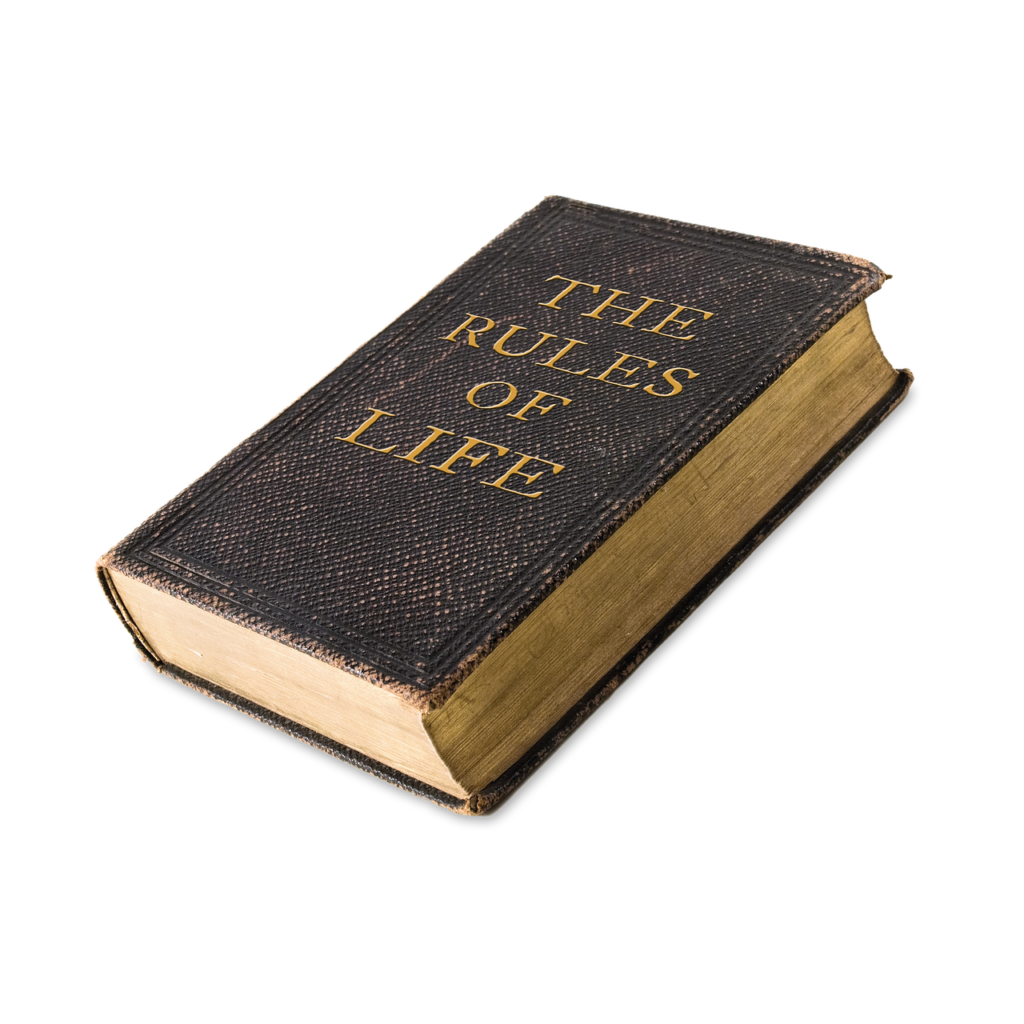
Muslims believe the Quran is the literal word of God, revealed to the Prophet Muhammad over a period of 23 years, starting in 610 CE. It’s considered the ultimate guide for all aspects of life, providing a complete code of conduct and spiritual direction. The Quran’s verses are revered for their eloquence and divine origin.
The text is divided into 114 chapters, or surahs, each containing verses called ayahs. Muslims recite the Quran in its original Arabic, and its teachings cover theology, law, ethics, history, and prophecy. Its preservation is considered a miracle, with millions of Muslims memorizing the entire text.
Practically speaking, the Quran serves as the primary source of Islamic law and guidance. Its interpretations and applications are further elaborated in the Hadith, which are collections of sayings and actions attributed to Prophet Muhammad.
Prophet Muhammad: The Final Messenger
Muslims believe that Prophet Muhammad (peace be upon him) is the last prophet in a line that includes Adam, Noah, Abraham, Moses, and Jesus. Allah to deliver the chosen he final revelation, the Quran, to humanity. His life and teachings, known as the Sunnah, serve as a practical model for Muslims.
Born in Mecca around 570 CE, Muhammad received his first revelation from the Angel Gabriel in a cave near Mecca. Despite facing initial persecution, he established a community in Medina and eventually returned to conquer Mecca, unifying Arabia under Islam. His legacy is not just religious, but also historical and cultural.
What this means in practice is that the Prophet Muhammad is not worshiped, but his example is followed. His actions, sayings, and approvals are meticulously recorded in the Hadith literature, forming a crucial secondary source for understanding Islamic practice.
The Five Pillars of Islam
The Five Pillars of Islam are the foundational acts of worship that are obligatory for all Muslims. They are the framework of Muslim life, providing spiritual discipline and a connection to the global Muslim community. These pillars are:
- Shahada (Declaration of Faith): The sincere recitation of the declaration, “there’s no god but Allah, and Muhammad is his Messenger.” This is the most fundamental pillar, affirming the core monotheistic belief.
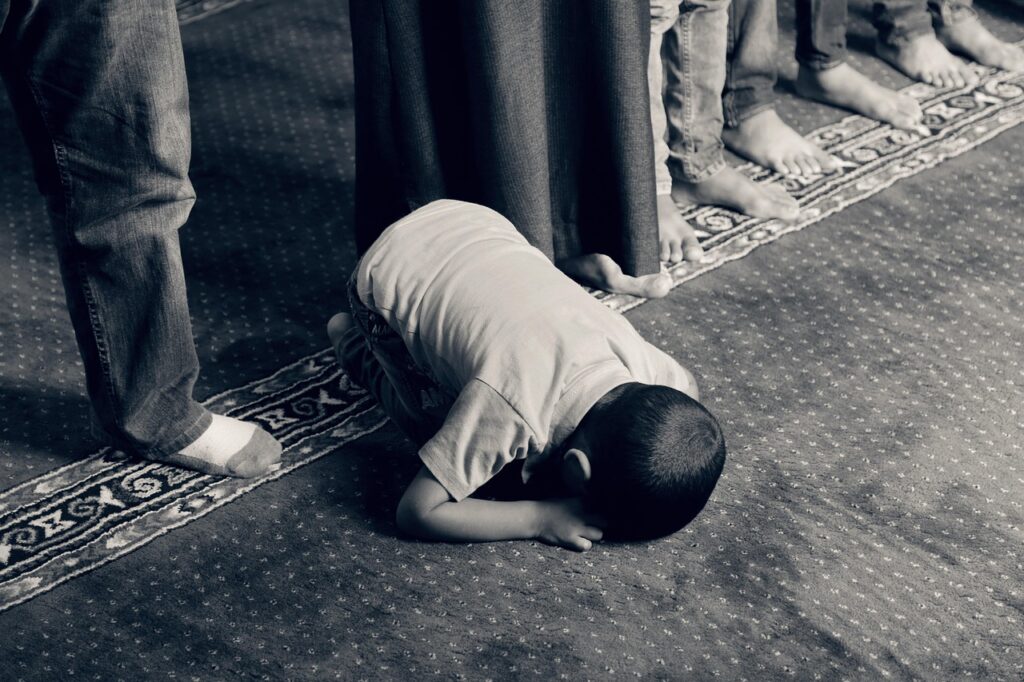
- Salat (Prayer): Performing five daily prayers at prescribed times, facing the Kaaba in Mecca. These prayers are a direct communication with Allah and a reminder of one’s devotion.
- Zakat (Charity): Giving a portion of one’s wealth to the poor and needy. Zakat is seen as a purification of wealth and a means of social justice, typically amounting to 2.5% of savings annually for those who meet a certain threshold.
- Sawm (Fasting during Ramadan): Abstaining from food, drink, and marital relations from dawn until sunset during the month of Ramadan. This period is dedicated to spiritual reflection, self-discipline, and empathy for the less fortunate.
- Hajj (Pilgrimage to Mecca): Undertaking a pilgrimage to the Kaaba in Mecca, if physically and financially able, at least once in a lifetime. It’s a profound spiritual journey that unites Muslims from all walks of life.
From a different angle, these pillars are not just rituals but transformative practices. They are designed to foster spiritual growth, reinforce community bonds, and promote social responsibility among Muslims worldwide.
Branches of Islam: Sunni and Shia
While united by core beliefs, Islam has two major branches: Sunni and Shia. The division arose from a disagreement over who should succeed Prophet Muhammad as leader of the Muslim community.
Sunnis, comprising the vast majority (around 90% of Muslims as of 2026), believe the successor should be chosen based on merit and consensus. Shia Muslims, about 10% of the global Muslim population, believe leadership should have stayed within Muhammad’s family, specifically through his cousin and son-in-law, Ali.
This historical divergence has led to differences in theological interpretations, legal systems, and religious practices, though the fundamental tenets of Islam remain shared. For instance, Shia Muslims often place greater emphasis on the lineage of Imams (spiritual leaders) and certain devotional practices.
Practically speaking, understanding these branches is key to appreciating the diversity within the Muslim world. While differences exist, the shared commitment to the Quran and Prophet Muhammad’s teachings bridges these divides for most adherents.
Islamic History and Global Expansion
The history of Islam is a narrative of rapid expansion and enduring influence. Beginning in the Arabian Peninsula in the 7th century CE, Islam spread through trade, conquest, and missionary efforts across vast regions.
By the 8th century, Muslim empires extended from Spain in the west to India in the east. This era, often termed the Islamic Golden Age, saw significant advancements in science, mathematics, medicine, philosophy, and art, much of which later influenced Europe. Key centers of learning included Baghdad, Córdoba, and Cairo.
As of June 2026, Islam is the world’s second-largest religion, with communities present in virtually every country. Major Muslim populations are found in the Middle East, North Africa, South Asia, Southeast Asia, and increasingly in Europe and North America.
What this means in practice is that Islam is not a monolithic entity but a global phenomenon with diverse cultural expressions. Each region and community adapts and practices Islam in ways that reflect its unique heritage, while adhering to the core tenets.
Islamic Law and Ethics
Islamic law, known as Sharia, is derived from two primary sources: the Quran and the Sunnah (the teachings and practices of Prophet Muhammad, as recorded in Hadith). Sharia provides guidance on a wide range of matters, including personal conduct, family law, criminal justice, and finance.
The interpretation and application of Sharia can vary. Islamic scholars, known as ulema, play a crucial role in its interpretation through a process called Ijtihad. While Sharia provides a framework, its practical implementation often involves consideration of local customs and evolving societal needs.
From a different angle, Islamic ethics emphasize justice, compassion, honesty, and responsibility towards oneself, one’s family, society, and the environment. Concepts like equity in business dealings and care for the less fortunate are central to the moral code.
For example, Islamic finance strictly prohibits the charging of interest (riba), promoting profit-sharing and risk-sharing models instead. This ethical framework is not just a set of rules but a complete moral system aimed at fostering a just and compassionate society.
Muslim Communities Worldwide in 2026
As of June 2026, the global Muslim population is estimated to be well over 2 billion people, making it the second-largest religious group worldwide. Its diversity in ethnicity characterizs this demographic, culture, and nationality.
While Islam originated in the Arabian Peninsula, the largest Muslim populations today are found in Asia, particularly in countries like Indonesia (the world’s most populous Muslim-majority country), Pakistan, India, and Bangladesh. Significant Muslim communities also exist across the Middle East, North Africa, Sub-Saharan Africa, and in Europe and North America.
The growth of Muslim populations is attributed to both high birth rates in many Muslim-majority countries and conversion rates. According to Pew Research Center estimates, Islam is projected to be the fastest-growing major religion globally in the coming decades.
Common Misconceptions About Islam
Despite its global presence, Islam is often subject to misconceptions, particularly in non-Muslim majority societies. One common misunderstanding is that Islam is inherently a violent religion. However, the Quran explicitly states, “Whoever kills a soul unless for a soul or for corruption [done] in the land – it’s as if he had slain mankind entirely. And whoever saves one – it’s as if he had saved mankind entirely” (5:32).
Another misconception is that all Muslims are Arab. In reality, Arabs constitute only about 15-20% of the world’s Muslim population. The majority of Muslims are non-Arab, hailing from diverse backgrounds across Asia, Africa, and beyond.
And, the role of women in Islam is often misrepresented. While interpretations and cultural practices vary widely, Islamic scripture grants women rights concerning marriage, divorce, inheritance, and property ownership. The concept of hijab (headscarf) itself is a subject of diverse interpretations, with many Muslim women choosing to wear it as a symbol of faith and identity.
The faith also faces scrutiny regarding its legal system, Sharia. Remember that Sharia is a broad legal and ethical code, and its application by states can differ significantly, with some interpretations being more rigid than others. The focus on specific, often extreme, interpretations can overshadow the more common, peaceful practices of the vast majority of Muslims.
Islam and Modern Society
Islam continues to evolve and engage with modern society in dynamic ways. Muslim scholars and communities grapple with contemporary issues, seeking to reconcile their faith with the complexities of the 21st century.
Technological advancements, globalization, and diverse political landscapes present unique challenges and opportunities for Muslims. Issues like bioethics, environmental stewardship, and interfaith dialogue are areas where Islamic principles are being applied and debated.
What this means in practice is a continuous effort to understand and apply faith in new contexts. Many Muslim organizations and individuals are actively involved in social justice initiatives, humanitarian aid, and promoting peace and understanding across different communities.
For instance, many Islamic charities actively participate in global disaster relief efforts, demonstrating a commitment to humanitarian values that transcend religious or national boundaries. This engagement showcases the faith’s capacity for adaptation and its enduring relevance in the modern world.
Expert Insights and Best Practices
When seeking to understand Islam, it’s crucial to engage with authentic sources and diverse perspectives. Relying on mainstream Islamic scholarship and reputable organizations can provide a more nuanced understanding than relying on sensationalized media portrayals or fringe interpretations.
For those interested in learning more, visiting local mosques (if feasible and respectful), reading scholarly works, and engaging in respectful dialogue are highly recommended. Understanding the historical context and the diversity of interpretation within Islam is also vital.
Best practices for engaging with the topic include: seeking out academic resources from universities specializing in Islamic studies, consulting with established Islamic centers, and being mindful of the difference between religious doctrine and cultural practices.
In our research for this article, we found that clarity often emerges when distinguishing between the divine text (Quran), prophetic tradition (Sunnah), and subsequent human interpretation or cultural adaptation. This distinction is key to avoiding generalizations.
A note on terminology: Using terms like “Islam” for the religion and “Muslim” for its followers is standard. While some may refer to “Islamicism” in political contexts, it’s distinct from the religion itself. Understanding these nuances helps in accurate discourse.
Frequently Asked Questions
What is the primary text of Islam?
The primary text of Islam is the Quran, which Muslims believe to be the literal word of God revealed to Prophet Muhammad. It serves as the ultimate guide for faith, life, and practice.
Who are Muslims?
Muslims are followers of Islam. They believe in one God (Allah) and consider Prophet Muhammad to be His final messenger. As of 2026, there are over 2 billion Muslims worldwide.
What are the main differences between Sunni and Shia Islam?
The primary difference lies in their succession dispute after Prophet Muhammad’s death. Sunnis believed the leader should be elected, while Shias believed leadership should remain in Muhammad’s family, starting with Ali.
What is the significance of Mecca in Islam?
Mecca is the holiest city in Islam. It’s home to the Kaaba, the most sacred site, towards which Muslims pray five times daily and which they must visit at least once if able during the Hajj pilgrimage.
Does Islam permit violence?
Islam, like many religions, has complex texts regarding conflict. The Quran emphasizes peace and justice, condemning unwarranted violence and stating that killing one innocent person is like killing all of humanity.
How has Islam spread globally?
Islam spread through trade routes, missionary work, and historical conquests, reaching across the Middle East, North Africa, Asia, and parts of Europe. Its global presence continues to grow.
Information current as of June 2026; pricing and product details may change.
Related read: ProCon.org in 2026: Your Guide to Understanding Complex Issues
Source: Britannica
Editorial Note: This article was researched and written by the Made Me Mine editorial team. We fact-check our content and update it regularly. For questions or corrections, contact us. Knowing how to address islam is the religion early makes the rest of your plan easier to keep on track.
Related read: Olympus Scanlation: The Art of Manga Translation
Related read: Katy Davis Suffield: Background, Work, and Community Impact.
Related read: Jynx QR Code Ultra Moon: Your Alola Guide.