Most homeowners seeking a fragrant, low-maintenance garden addition are often overwhelmed by choices. But what if you could have intoxicating scent, year-round greenery, and a plant that attracts beneficial wildlife? The sweet olive tree delivers precisely that. As of June 2026, this evergreen gem continues to enchant gardeners with its subtle yet powerful fragrance and elegant form.
Last updated: June 12, 2026
- The sweet olive tree (Osman thus fragrant) is prized for its intensely fragrant, tiny white flowers and evergreen foliage.
- It thrives in USDA hardiness zones 8-11 and prefers well-draining soil with consistent moisture.
- Proper pruning after flowering encourages bushier growth and more blooms for the following season.
- While generally pest-resistant, it can be susceptible to scale and spider mites if stressed.
- It offers significant value in landscape design, attracting pollinators and providing year-round visual appeal.
What Exactly is a Sweet Olive Tree?
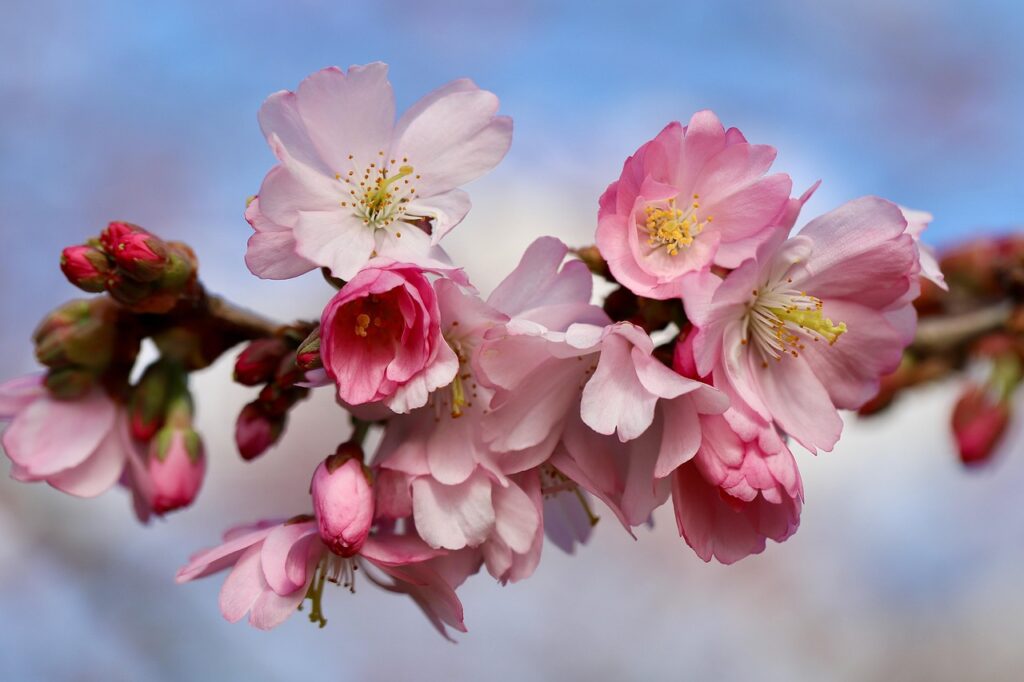
The sweet olive tree, scientifically known as Osman thus fragrant, is a captivating evergreen shrub or small tree native to Asia, primarily China, Japan, and Southeast Asia. Despite its common name, it’s not a true olive tree but belongs to the same family, Oleaceae. This connection is purely botanical; its true magic lies in its incredibly fragrant, tiny white flowers that appear in clusters, often in late winter or early spring, though some varieties may offer sporadic blooms throughout the year. These blossoms emit a rich, sweet, apricot-like scent that can fill an entire garden.
In English-speaking regions, especially the Southern United States, it’s also commonly called fragrant tea olive, sweet osmanthus, or simply tea olive. This plant is a beloved choice for its ability to provide year-round structure and beauty, coupled with its unparalleled aromatic contribution to any landscape.
Cultivating Your Sweet Olive Tree: The Ideal Environment
For optimal growth and bloom production, understanding the sweet olive tree’s preferred conditions is key. As of 2026, the consensus among horticulturalists points to specific environmental factors that ensure a thriving plant.
Sunlight Preferences
Sweet olive trees are quite adaptable when it comes to sun exposure. They perform best in full sun to partial shade. In hotter climates, providing some afternoon shade can prevent leaf scorch and stress, especially during the peak summer months. Areas receiving at least six hours of direct sunlight daily will generally yield the most abundant blooms.
Soil and Drainage
Good drainage is paramount for Osman thus fragrant. They detest waterlogged roots, which can lead to root rot. While they tolerate a range of soil types, they prefer slightly acidic to neutral soil with a pH between 5.5 and 7.0.
Amending heavy clay soils with organic matter, such as compost or well-rotted manure, will significantly improve drainage and aeration. For container gardening, a good quality potting mix designed for acid-loving plants or general ornamentals works well.
Watering Needs
Newly planted sweet olive trees require consistent moisture to establish a strong root system. Once mature, they become quite drought-tolerant. However, regular watering during dry spells, particularly in the first few years and during flowering/fruiting periods, will keep them healthy and productive. Avoid overwatering; allow the top inch or two of soil to dry out between waterings.
Where to Plant Your Fragrant Tea Olive
Deciding where to place your sweet olive tree can make a significant difference in its performance and your enjoyment. Strategic placement maximizes both its aesthetic and aromatic contributions.
Maximizing Fragrance
To best enjoy the sweet olive’s signature scent, plant it near high-traffic areas such as entryways, patios, or near windows. As you walk by or sit outdoors, you’ll be enveloped by its delightful perfume. Even a single plant can scent a considerable area, especially on warm, still days.
Landscape Integration
Its dense, evergreen foliage makes it an excellent choice for hedges, screens, or specimen plants. It can provide year-round privacy and structure in garden designs. For those in USDA hardiness zones 8-11, it’s a reliable performer. In cooler zones, it can be grown in containers and brought indoors during winter, though it’s less likely to flower prolifically indoors.
When planting, ensure adequate space for its mature size, which can range from 6 to 15 feet tall and wide, depending on the cultivar. Avoid planting too close to buildings or walkways where its dense growth might become an obstruction over time.
Pruning Your Sweet Olive Tree for Health and Beauty
Pruning is essential for maintaining the shape, health, and flowering potential of your sweet olive tree. The best time to prune is typically after it has finished its main blooming period.
When and How to Prune
For most varieties, pruning should occur in late spring or early summer, after the flowers have faded. This timing ensures you don’t remove the flower buds for the next season, which often form on old wood. Light pruning can be done anytime to remove dead, damaged, or crossing branches. For shaping a hedge or controlling size, more substantial pruning can be undertaken, but always aim to retain the plant’s natural flowing habit.
Encouraging Bushier Growth
To encourage a denser, bushier habit, especially if you’re using it as a hedge, prune back about one-third of the new growth after the main bloom. This encourages branching and will lead to more flowers in subsequent years. Avoid heavy shearing, which can make the plant look unnatural and reduce flowering.
Exploring Sweet Olive Varieties
While Osman thus fragrant is the primary species, several cultivars offer distinct characteristics, catering to various landscape needs and aesthetic preferences.
‘Fortunei’ (Fortune’s Osman thus)
This popular cultivar is known for its rapid growth and abundant, highly fragrant flowers. It’s more cold-tolerant than the species, making it suitable for slightly cooler regions within its hardiness range. It typically grows to about 10–15 feet tall.
‘Dashiki’ (Variegated Osman thus)
‘Dashiki’ means “five colors” in Japanese, referring to its attractive foliage splashed with cream, yellow, white, and shades of green. This cultivar is slower-growing and primarily valued for its ornamental leaves, though it still produces fragrant flowers. It typically stays smaller, around 6–8 feet tall.
‘Fuding’ and ‘Kwanza’
These are often cited for their particularly intense fragrance and compact growth habits, making them excellent choices for smaller gardens or container planting. Specific bloom times and growth rates can vary, so checking local nursery availability and descriptions is recommended.
Common Pests and Diseases of Osman thus
Sweet olive trees are generally strong and resistant to many common garden pests and diseases. However, like all plants, they can encounter issues, especially when stressed by improper care.
Pest Concerns
Scale insects and spider mites are the most common pests. Scale insects appear as small, immobile bumps on stems and leaves, feeding on plant sap. Spider mites are tiny arachnids that create fine webbing and cause stippling on leaves, especially in dry conditions.
Persistent infestations can weaken the plant. Horticultural oil or insecticidal soap can be effective treatments, particularly when applied during cooler parts of the day. According to Mississippi State University Extension Service publications, regular monitoring is key to early detection and control of these issues, as of 2026.
Disease Susceptibility
Root rot is the primary disease concern, almost always caused by overwatering or poorly draining soil. Symptoms include yellowing leaves, wilting, and eventual plant death. Ensuring good drainage and avoiding waterlogged conditions is the best preventative measure. Fungal leaf spot can sometimes occur in very humid conditions but is usually not severe.
Healthy plants are less susceptible to pests and diseases. Providing the right growing conditions, proper watering, and appropriate pruning will help keep your sweet olive tree vigorous.
Integrating Sweet Olive into Your Landscape
The versatility of the sweet olive tree makes it a valuable asset in various landscape designs. Its evergreen nature, fragrant blooms, and manageable size offer numerous possibilities.
Foundation Plantings
Planted near the foundation of a home or building, it provides year-round greenery and a welcoming scent. Its moderate growth rate means it won’t quickly overwhelm structures.
Hedges and Screens
When planted in a row and properly maintained, sweet olives form dense, attractive hedges that offer privacy and can help buffer noise. For a formal hedge, regular pruning is necessary.
Container Gardening
Smaller varieties, like ‘Dashiki’, or even the species pruned to size, can thrive in large containers. Sweet olive tree allows gardeners in colder climates to enjoy their fragrance and foliage by bringing them indoors during winter. Ensure containers have excellent drainage and use a quality potting mix.
Pollinator Gardens
The early blooms of the sweet olive tree are a welcome nectar source for early-season pollinators. While not a primary pollinator plant, its contribution to biodiversity is a valuable bonus.
Mistakes to Avoid with Sweet Olive Trees
Even with a generally easy-care plant like the sweet olive, a few common missteps can hinder its performance.
Overwatering and Poor Drainage
As mentioned, this is the most critical mistake. Gardeners often assume more water means a healthier plant, but for sweet olives, it leads to root rot. Always check soil moisture before watering.
Incorrect Pruning Timing
Pruning at the wrong time, such as late fall or winter, can remove the flower buds that have already formed, leading to a season with significantly fewer blooms. Stick to post-bloom pruning.
Planting Too Deeply
Planting the tree too deep can suffocate the roots and make it more susceptible to disease. Ensure the top of the root ball is level with or slightly above the surrounding soil.
Insufficient Light
While adaptable, a sweet olive tree planted in deep shade will produce fewer flowers and may have leggy growth. Aim for at least partial sun for optimal blooming and a more compact form.
Expert Advice for Your Sweet Olive Tree
To truly get the most out of your sweet olive tree, consider these expert-level tips. As of June 2026, the focus remains on sustainability and resilience in gardening.
Mulching for Moisture Retention
Apply a 2-3 inch layer of organic mulch around the base of the tree, keeping it a few inches away from the trunk. Mulch helps retain soil moisture, suppress weeds, and regulate soil temperature, all of which contribute to a healthier plant, especially during hot, dry periods.
Feeding for Optimal Blooms
While not heavy feeders, sweet olive trees benefit from a light feeding in early spring. Use a balanced, slow-release fertilizer or one formulated for acid-loving plants. Alternatively, a top-dressing of compost annually can provide sufficient nutrients. Over-fertilizing can lead to excessive leafy growth at the expense of flowers.
Propagation Techniques
For the more adventurous gardener, propagating sweet olive trees can be done through stem cuttings. Softwood cuttings taken in late spring or semi-hardwood cuttings taken in late summer can be rooted in a moist, well-draining propagation mix. Patience is key, as rooting can take several weeks to months. According to various horticultural guides, success rates improve with the use of rooting hormones.
Frequently Asked Questions About Sweet Olive Trees
When is the best time to plant a sweet olive tree?
The ideal time to plant a sweet olive tree is in the fall, allowing its roots to establish over winter, or in early spring before the heat of summer. This helps reduce transplant shock.
How large do sweet olive trees get?
Depending on the cultivar, sweet olive trees can range from 6 to 15 feet tall and wide. Some can grow larger in ideal conditions, but they respond well to pruning.
Are sweet olive trees toxic to pets?
Osman thus fragrant is generally considered non-toxic to cats and dogs, according to the ASPCA. However, it’s always wise to monitor pets to ensure they don’t ingest large quantities of any plant material.
Can sweet olive trees grow in containers?
Yes, sweet olive trees, especially smaller cultivars like ‘Dashiki’, can be successfully grown in pots, making them suitable for balconies or patios, and for gardeners in colder climates.
What causes sweet olive leaves to turn yellow?
Yellowing leaves on a sweet olive tree are most often caused by overwatering, poor drainage, or nutrient deficiencies. Check soil moisture and consider a soil test if problems persist.
How often should I fertilize my sweet olive tree?
Sweet olive trees are not heavy feeders. A light feeding in early spring with a balanced fertilizer or annual compost top-dressing is usually sufficient for most established plants.
Conclusion: Embrace the Sweetness
The sweet olive tree is a horticultural treasure, offering a beautiful blend of evergreen structure and intoxicating fragrance that few other plants can match. Whether you’re looking to create a fragrant hedge, a stunning specimen plant, or a container garden feature, Osman thus fragrant is a rewarding choice. By understanding its needs for well-drained soil, appropriate sun exposure, and timely pruning, you can ensure your sweet olive tree thrives, filling your garden with its delightful perfume for years to come. Embrace the simple elegance and powerful scent of this remarkable plant in your 2026 garden plans.
Information current as of June 2026; pricing and product details may change.
Editorial Note: This article was researched and written by the Made Me Mine editorial team. We fact-check our content and update it regularly. For questions or corrections, contact us.
Related read: Simbramento: The Art of Culinary Harmony & Balance
Related read: Awuis: Features, Benefits & Updates.