
Why Time Management for Beginners Matters Today 🌍
Most people searching for time management for beginners feel overwhelmed by an endless stream of tasks, meetings, and deadlines. The reality is, you don’t need a complex system or a dozen apps to regain control. What you truly need is a straightforward, adaptable routine that helps you focus on what matters most, leaving space for life’s unexpected moments.
Last updated: July 3, 2026
As of June 2026, the pace of modern life shows no signs of slowing. The ability to effectively manage your time isn’t just a useful skill; it’s a fundamental requirement for reducing stress, achieving goals, and improving overall well-being. Without it, even the most ambitious plans can crumble under the weight of daily demands.
A Simple 5-Step Quick-Start System ⚡
For beginners, the journey into time management can seem daunting. To make it accessible, consider this five-step system designed for immediate implementation. It focuses on clarity and action, bypassing overly complex methodologies.
- Define Your Big Rocks: Identify your most important tasks or goals for the week. These are non-negotiable priorities.
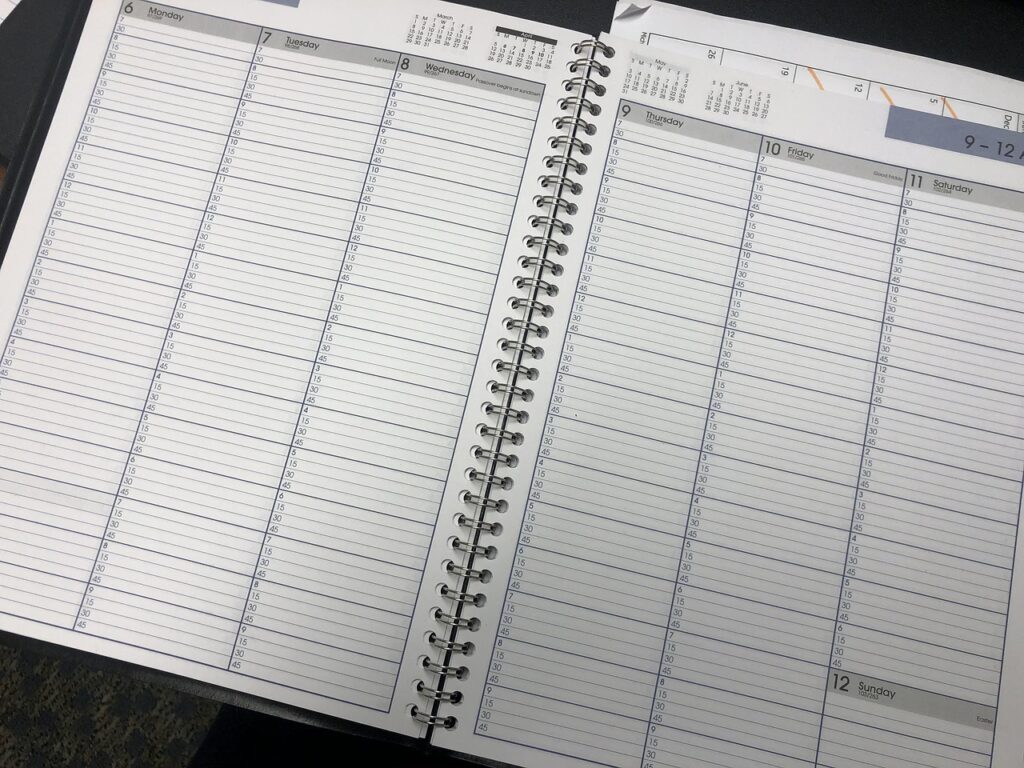
- Block Your Time: Schedule dedicated slots for your ‘big rocks’ into your calendar. Treat these like important appointments.
- Identify Time Wasters: Track where your time is actually going for a few days. You might be surprised by common distractions.
- Create a Daily To-Do List: Based on your big rocks and remaining capacity, create a short, achievable list for each day.
- Review and Adjust: At the end of each day or week, briefly review what worked and what didn’t. Make small tweaks for the next cycle.
This system provides a structure that’s easy to follow and adapt, making time management feel less like a chore and more like a natural part of your workflow. It’s about building momentum with small, consistent wins.
Foundational Techniques That Actually Work 🧰
Many time management strategies exist, but for beginners, focusing on a few proven techniques is key. These are the cornerstones that support more advanced methods later on.
Prioritization Frameworks
Understanding what to do first is critical. The Eisenhower Matrix (Urgent/Important) is a classic for beginners. It helps distinguish between tasks that demand immediate attention and those that contribute to long-term goals. For example, a client emergency might be Urgent & Important, while planning a future project is Important but Not Urgent.
Time Blocking
Instead of a simple to-do list, time blocking involves assigning specific blocks of time in your calendar for particular tasks or activities. This method, often cited by productivity experts, ensures that important work gets dedicated attention. A beginner might block 9-10 AM for emails, 10 AM-12 PM for focused project work, and 1-2 PM for meetings.
Drawback: Time blocking can feel rigid initially. Unexpected interruptions can disrupt carefully planned schedules, leading to frustration if not managed flexibly.
The Pomodoro Technique
This technique breaks work into intervals, traditionally 25 minutes long, separated by short breaks. It’s excellent for maintaining focus and preventing burnout. For instance, you might work on a report for 25 minutes, take a 5-minute break, then repeat. After four ‘pomodoros’, you take a longer break.
Drawback: The fixed intervals might not suit all types of work or personal focus spans. Some tasks require longer, uninterrupted periods.
Beat Procrastination with Tiny Levers 🚫
Procrastination is a common hurdle for beginners. Instead of fighting it head-on with willpower alone, use psychological ‘tiny levers’ to bypass resistance.
The Two-Minute Rule
If a task takes less than two minutes to complete, do it immediately. This prevents small tasks from accumulating and overwhelming your to-do list. Responding to a quick email, filing a document, or making a brief phone call are perfect for this rule.
Break Down Large Tasks
Big projects are intimidating. Break them down into the smallest possible steps. For example, ‘Write blog post’ becomes ‘Outline post,’ ‘Write introduction,’ ‘Write section 1,’ etc. Each tiny step is less daunting and easier to start.
Set Realistic Goals
Overambitious goals set you up for failure and procrastination. According to the American Psychological Association (2025), individuals who set realistic and achievable goals are more likely to persist and succeed. For instance, aim to complete three important tasks daily, rather than twenty.
Design a Distraction-Proof Environment 🔕
Your environment significantly impacts your ability to focus. Creating a workspace that minimizes distractions is crucial for beginners to establish productive habits.
Digital Detox
Notifications are a major culprit. Turn off non-essential alerts on your phone and computer. Consider using website blockers or focus apps if self-control is a challenge. For example, apps like Freedom or Cold Turkey can block distracting websites for set periods.
Drawback: Aggressively blocking all digital access can hinder tasks that genuinely require online tools or communication, requiring careful calibration.
Physical Space Organization
A cluttered physical workspace can lead to a cluttered mind. Keep your desk tidy, with only essential items within reach. Organizing your workspace can take as little as 10 minutes but has a significant impact on your focus and efficiency.
Communicate Your Needs
If you share your workspace, communicate your need for uninterrupted focus during certain times. A simple sign on your door or a heads-up to colleagues or family can prevent interruptions.
Routines, Energy & Recovery for Sustainable Productivity 🌅
Effective time management isn’t just about scheduling tasks; it’s about aligning your work with your natural energy levels and ensuring you have adequate recovery.
Use Your Energy Peaks
Identify when you are most alert and focused during the day. Schedule your most demanding tasks for these peak times. For many, this is the morning, but for others, it might be the afternoon or evening. As of June 2026, research continues to highlight the importance of chronotypes in optimizing work performance.
Incorporate Regular Breaks
Breaks are not a sign of laziness; they are essential for sustained focus and creativity. Short, frequent breaks (e.g., 5-10 minutes every hour) are more effective than one long break. Step away from your work, stretch, or do something completely unrelated.
Prioritize Sleep and Downtime
Chronic sleep deprivation and lack of downtime kill productivity. Ensure you’re getting adequate sleep and scheduling time for relaxation, hobbies, and social activities. A well-rested mind is a more efficient mind. According to the National Sleep Foundation (2025), adults need 7-9 hours of sleep per night for optimal cognitive function.
Tools Starter Pack for Beginners 🧩
While systems are paramount, a few simple tools can significantly aid beginners in their time management journey. The key is to keep it simple and avoid ‘tool overload’.
Calendar Applications
Digital calendars (like Google Calendar or Outlook Calendar) are indispensable for scheduling appointments, time blocking, and setting reminders. They sync across devices, ensuring you have your schedule with you wherever you go. These tools are standard in most professional environments as of 2026.
Drawback: Over-reliance on digital calendars without understanding the underlying principles of prioritization can lead to a busy schedule that isn’t necessarily productive.
To-Do List Apps
Simple to-do list applications (e.g., Todoist, Microsoft To Do, or even a basic notes app) are great for capturing tasks. Look for apps that allow for simple prioritization, due dates, and perhaps recurring tasks. Many offer free versions that are perfectly adequate for beginners.
Notebook and Pen
Don’t underestimate the power of analog. For some, the act of writing down tasks and ideas in a physical notebook can enhance memory and clarity. It’s also a great way to quickly jot down thoughts without getting distracted by digital devices.
Common Mistakes Beginners Make
Several pitfalls can derail a beginner’s efforts in time management. Recognizing these early can help you avoid them.
- Over-scheduling: Trying to fit too much into one day, leading to missed deadlines and burnout.
- Underestimating Task Duration: Consistently misjudging how long tasks will take, causing delays.
- Lack of Flexibility: Sticking rigidly to a plan even when unexpected, urgent matters arise, causing frustration.
- Ignoring Breaks: Working non-stop, which paradoxically reduces productivity and increases errors.
- Not Reviewing or Reflecting: Failing to assess what worked and what didn’t, thus repeating the same mistakes.
The most critical mistake is often trying to implement too many new strategies at once. Start with one or two techniques and build from there.
Expert Tips for Lasting Habits
Building good time management habits takes practice and patience. Here are some expert insights to help you create sustainable routines.
- Start Small: Focus on mastering one technique at a time, like the Pomodoro Technique or basic time blocking.
- Be Realistic with Your Schedule: Don’t pack your days too tightly. Always build in buffer time for the unexpected.
- Learn to Say No: Protect your time by politely declining requests that don’t align with your priorities or capacity.
- Batch Similar Tasks: Group similar activities together (e.g., responding to emails, making phone calls) to improve efficiency.
- Track Your Progress: Regularly review your schedule and task completion. Celebrate small wins to stay motivated.
Unique Insight: Many beginners focus solely on doing more. True time management is about doing the right things. This means understanding your core objectives and ensuring your daily actions align with them, a principle emphasized by productivity leaders as of 2026.
Frequently Asked Questions
What is the most fundamental time management skill for beginners?
The most fundamental skill is prioritization. Learning to identify and focus on the most important tasks, rather than just the most urgent, forms the bedrock of effective time management.
How long does it take to see results from time management techniques?
Results can be seen almost immediately, especially with simple techniques like the Two-Minute Rule or breaking down tasks. However, significant improvements in overall productivity and stress reduction typically take several weeks of consistent practice.
Should beginners use complex software or simple tools?
Beginners should start with simple tools like a basic calendar or to-do list app. Complex software can be overwhelming. Focus on mastering the principles first; the tools should support your strategy, not define it.
How can I manage unexpected interruptions without losing my momentum?
Build buffer time into your schedule for the unexpected. When interruptions occur, quickly assess if they are urgent and important. If not, politely defer them. If they are, adjust your schedule accordingly and don’t dwell on the disruption.
Is it better to plan my day the night before or in the morning?
Both methods work, but planning the night before is often more effective for beginners. It allows you to wake up with a clear plan, reducing morning decision fatigue and enabling you to start your most important tasks immediately.
What if I can’t stick to my schedule?
This is common! Don’t aim for perfection. If you miss a block or a task, simply adjust and get back on track with the next scheduled item. The goal is consistency over time, not rigid adherence. Flexibility is key.
Information current as of June 2026; pricing and product details may change. Knowing how to address time management for beginners early makes the rest of your plan easier to keep on track.
Source: Britannica
Editorial Note: This article was researched and written by the Made Me Mine editorial team. We fact-check our content and update it regularly. For questions or corrections, contact us.