
” height=”
A Taste of Tradition: Origins and Production
The history of guanciale is deeply rooted in the central Italian regions, particularly Lazio (home of Rome), Umbria, and Abruzzo. Historically, curing pork was a vital method of preservation, allowing families to store meat throughout the year. The jowl, while fatty, is incredibly flavorful and was a readily available cut.
Last updated: July 8, 2026
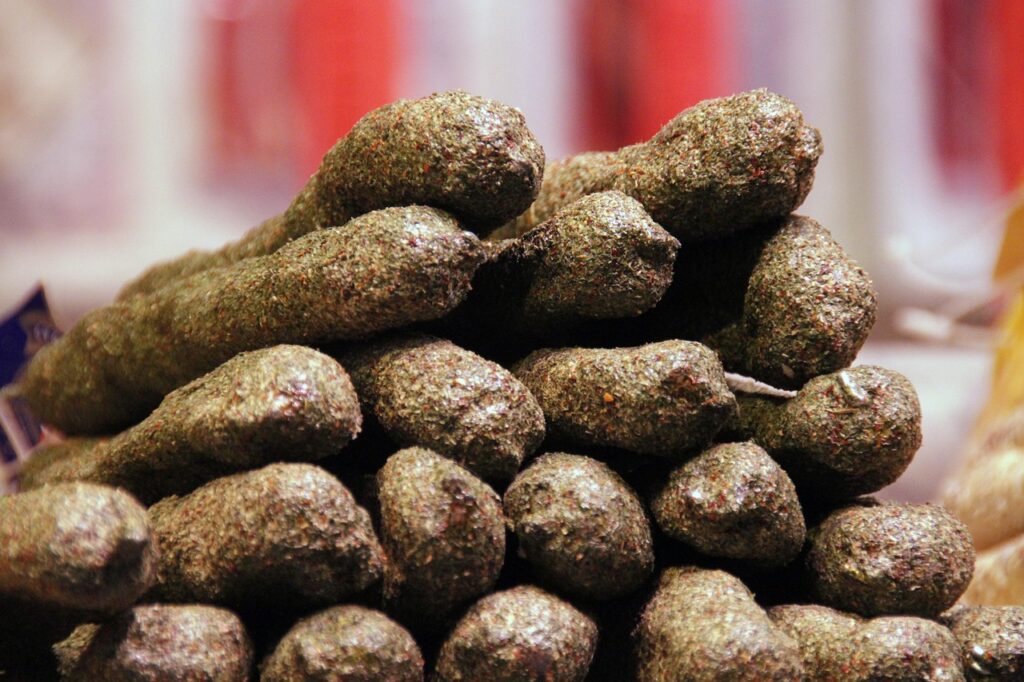
The production process involves a meticulous curing period. First, the pork jowl is trimmed into its characteristic shape, often cylindrical or rectangular. It’s then generously rubbed with coarse salt and black pepper, sometimes with additions like garlic, rosemary, or chili flakes.
This mixture is left to cure for a significant period, typically ranging from three weeks to several months, depending on the size and desired intensity. During this time, the salt draws out moisture and firms the meat, while the spices infuse their aroma.
After curing, the guanciale is often aged, sometimes hung in cool, dry cellars. This aging process further concentrates its flavors and develops a firmer texture. According to the Italian Ministry of Agricultural, Food and Forestry Policies, traditional guanciale production methods are protected, ensuring its quality and authenticity remain high. The rendered fat from guanciale is so prized that it’s often referred to as ‘oro’ (gold) in Italian culinary circles.
The Great Cured Pork Debate: Guanciale vs. Panetta vs. Bacon
This is where many home cooks get tripped up. While all three are cured pork products, their origins, fat content, and flavor profiles are distinct, leading to vastly different culinary results. Understanding these differences is crucial for successful Italian cooking.
Guanciale: Made from the pork cheek. It’s firmer, has a higher fat-to-meat ratio than Panetta, and a much deeper, more complex, almost nutty flavor. The rendered fat is intensely aromatic and forms the backbone of many classic pasta sauces. It’s the most traditional choice for Roman dishes.
Pancetta: Made from the pork belly. It’s typically rolled and cured, with a more balanced ratio of meat to fat compared to guanciale. Its flavor is milder and saltier, less intense than guanciale but still distinctly Italian. It’s a good substitute when guanciale isn’t available, but it won’t provide the same depth.
Bacon: Usually made from pork belly, but crucially, it’s almost always smoked. This smoking process imparts a strong, distinct flavor that’s very different from the unsmoked Italian cured meats. While delicious, bacon’s smoky profile can overpower delicate Italian sauces and masks the nuanced flavors that guanciale brings.
Practically speaking, the fat from guanciale melts at a lower temperature than Panetta or bacon fat, creating a smoother, richer sauce that clings beautifully to pasta. This is why, for dishes like Carbonara, Amatriciana, and Tricia, guanciale is considered indispensable by purists.
Key Takeaways
- Guanciale is a cured pork jowl, distinct from Panetta (belly) and smoked bacon.
- Its high fat content renders a rich, flavorful base for Italian sauces.
- it’s essential for authentic Roman pasta dishes like Carbonara and Amatriciana.
- Guanciale offers a deeper, more complex flavor than Panetta or bacon.
Unlocking Flavor: How to Cook with Guanciale
Cooking with guanciale is straightforward, but a few tips ensure you get the most out of this prized ingredient. The primary goal is to render its fat slowly and perfectly, creating a flavorful base for your dish.
First, dice or slice the guanciale. For pasta dishes, cubes (lardons) about 1/4 to 1/2 inch thick are common. For sauces like Amatriciana, longer strips can also work. It’s important to note that guanciale is often quite salty, so use it judiciously and adjust your recipe’s salt accordingly. Many chefs recommend not adding any extra salt until the dish is nearly finished.
Start by placing the diced guanciale in a cold, dry skillet. This is a critical step. Heating the pan slowly allows the fat to render out gently without burning the meat. Cook over medium-low heat, stirring occasionally, until the guanciale pieces are golden brown and crispy, and a good amount of rendered fat has accumulated in the pan. This rendered fat is pure flavor gold.
Once crispy, you can either remove the guanciale pieces with a slotted spoon and set them aside to be added back later, or leave them in the pan. The rendered fat is then used as the foundation for your sauce. For example, in Carbonara, the hot pasta is tossed directly into this rendered fat, emulsifying with eggs and cheese to create a creamy, luxurious sauce without any cream.
The rendered fat from guanciale is so potent that a little goes a long way. A typical recipe for four servings of pasta might only call for 3–4 ounces (about 85-115 grams) of guanciale. This reflects its intense flavor and high fat content. According to culinary resources, approximately 30% of guanciale’s weight is fat, which is considerably higher than most bacon or Panetta cuts.
Guanciale’s Starring Roles: Classic Italian Dishes
Guanciale is not just an ingredient; it’s a tradition. Its unique flavor is integral to several iconic Italian dishes, particularly from the Lazio region.
Pasta alla Tricia: Often called the ‘white Amatriciana,’ this dish predates the use of tomatoes. It features guanciale, Pecorino Romano cheese, black pepper, and pasta. The rendered guanciale fat forms the sauce, seasoned with the sharp, salty cheese and peppery bite.
Bucatini all’Amatriciana: Here, tomatoes are introduced. The dish combines guanciale, tomatoes, Pecorino Romano, and pasta (traditionally bucatini or spaghetti). The guanciale provides a savory depth that balances the acidity of the tomatoes beautifully.
Spaghetti alla Carbonara: Perhaps the most famous dish featuring guanciale. Authentic Carbonara uses guanciale, eggs (usually yolks), Pecorino Romano cheese, and black pepper. The rendered guanciale fat is crucial for emulsifying the egg and cheese mixture into a creamy, rich coating for the pasta. No cream is ever used in a traditional Carbonara.
Beyond pasta, guanciale can be found in other regional specialties, sometimes used in slow-cooked stews or as a flavorful addition to roasted meats. Its intense flavor profile means it’s often used sparingly but to great effect.
When Guanciale Isn’t an Option: Smart Substitutions
While guanciale is ideal, it’s not always readily available, especially outside of Italy. If you find yourself without it, don’t despair. The key is to choose the best available substitute that mimics its characteristics as closely as possible.
Pancetta: This is the most common and generally best substitute. Opt for a good quality, unsmoked Panetta. Dice it and render the fat slowly, just as you would with guanciale. While the flavor won’t be as deep or complex, it will still provide a savory, fatty base that works well in most recipes. Be mindful of its saltiness.
High-Quality Bacon: If Panetta is also unavailable, thick-cut, unsmoked bacon is the next best option. Look for bacon that has a good balance of meat and fat, and ideally, one that isn’t overly sweet or heavily smoked. You might need to rinse the bacon under cold water and pat it dry to remove some excess salt before cooking.
Other Cured Meats: In some specific contexts, other cured meats might work, but generally, they deviate significantly from guanciale’s profile. For instance, a very fatty, unsmoked prosciutto could be diced and rendered, but its texture and flavor are quite different.
When substituting, always taste as you go and adjust seasonings. Remember that guanciale’s higher fat content means you might need slightly less oil or butter in your recipe if you’re using a leaner substitute. For instance, according to Whole Foods Market product descriptions as of 2026, some heritage breed guanciales offer a particularly rich fat content, making them highly sought after.
Storing Your Prized Guanciale
Proper storage is essential to maintain the quality of your guanciale, especially since it’s a cured but often not fully aged product. As of July 2026, best practices remain consistent.
Unopened: An unopened vacuum-sealed package of guanciale can typically be stored in the refrigerator for several weeks, often indicated by an expiration date on the packaging. Some sources suggest it can be stored for up to three months under optimal refrigerated conditions.
Opened: Once opened, guanciale should be tightly wrapped in plastic wrap or parchment paper, then placed in an airtight container or a resealable plastic bag. Store it in the coldest part of your refrigerator. Properly stored, an opened package of guanciale can last for about 2–3 weeks. Some artisanal producers might suggest freezing for longer storage, but this can affect the texture.
Beyond the Fridge: For very long-term storage, some traditional methods involve submerging the cured guanciale in its own rendered fat. This creates a seal that protects it from oxidation. However, this is more common for whole, larger pieces and requires specific techniques to ensure safety and prevent spoilage. For most home cooks, refrigeration is the most practical approach.
If you notice any off-smells, slimy texture, or mold (other than a harmless white mold that can sometimes be wiped off cured meats), it’s best to discard the guanciale to avoid any risk of foodborne illness. The U.S. Department of Agriculture (USDA) provides general guidelines for safely storing cured meats, emphasizing proper temperature control and visual inspection.
Where to Find Authentic Guanciale
Finding genuine guanciale has become easier as interest in authentic Italian cooking has surged. As of 2026, you have several options.
Specialty Italian Delicatessens and Markets: These are your best bet for finding high-quality, authentic guanciale. Look for stores that import directly from Italy or work with reputable local producers.
Online Retailers: Many online gourmet food stores specialize in Italian products and offer a selection of guanciale. Websites like Supermarket Italy or others that focus on imported foods often carry it. Prices online can vary, sometimes ranging from $20 to $50 for a 1-pound package, depending on the brand and origin, as noted in online product listings from 2026.
High-End Grocery Stores: Some larger, upscale grocery chains with strong charcuterie sections may carry guanciale. Whole Foods Market, for example, has featured heritage breed guanciale, highlighting its commitment to quality ingredients.
When purchasing, look for a product that appears firm, with distinct layers of pink or red meat and creamy white fat. The curing should be evident, and it should smell clean and peppery, not rancid or sour.
Frequently Asked Questions
What is the primary difference between guanciale and Panetta?
Guanciale is made from the pork cheek and has a higher fat content and a richer, more intense flavor than Panetta, which is made from pork belly and has a milder taste.
Can I use bacon instead of guanciale?
While bacon can be used as a substitute in a pinch, its smoky flavor is very different from guanciale’s pure, cured pork taste. Unsmoked, thick-cut bacon is the best bacon substitute if you must use it.
How much guanciale do I need for pasta?
For most pasta dishes serving 3–4 people, about 3–4 ounces (85-115 grams) of guanciale is typically sufficient, as its flavor is potent.
Is guanciale expensive?
Guanciale can be more expensive than Panetta or bacon due to the cut of meat used and the specialized curing process. Prices vary, but expect to pay a for authentic Italian guanciale.
How do I render guanciale fat properly?
Start guanciale in a cold pan over medium-low heat. This slow rendering process allows the fat to melt out gently, crisping the meat without burning it, and creating a flavorful liquid base for sauces.
Where does guanciale come from in Italy?
Guanciale is traditionally from central Italy, with its production most famously associated with the Lazio region (home of Rome), but also found in Umbria and Abruzzo.
Information current as of July 2026; pricing and product details may change.
Editorial Note: This article was researched and written by the Made Me Mine editorial team. We fact-check our content and update it regularly. For questions or corrections, contact us.
Related read: The Art of Toastul: Elevating Your Breakfast Game
Related read: The Rich Flavors of Soutaipasu: A Culinary Journey.