
The Enigmatic Baikal Seal: A Freshwater Marvel of Siberia
Most people associate seals with vast, salty oceans. Yet, nestled deep within the heart of Siberia lies an exception: the Baikal seal (Pusa Siberia), also known as the Nerva. This remarkable creature is one of only a handful of pinniped species found exclusively in freshwater environments, making it a true enigma of the natural world. As of June 2026, understanding this unique animal is crucial for appreciating the biodiversity of Lake Baikal, the planet’s oldest and deepest freshwater lake.
Last updated: June 10, 2026
- The Baikal seal is the world’s only exclusively freshwater seal species, found only in Lake Baikal, Siberia.
- They are one of the smallest seal species, with a distinct appearance suited to their unique habitat.
- Baikal seals primarily prey on fish like golomyanka and sculpin, diving to significant depths to hunt.
- While not currently endangered, they face threats from pollution, habitat changes, and illegal hunting.
- Their adaptations to freezing conditions and freshwater life make them a fascinating subject of study.
What Exactly is a Baikal Seal?
The Baikal seal, or Nerva, is a fascinating mammal that has captured the attention of scientists and nature enthusiasts alike. Unlike its marine cousins, the Nerva spends its entire life within the confines of Lake Baikal. This isolation has led to a unique evolutionary path, making it a distinct species and a symbol of this extraordinary ecosystem. It’s one of the smallest true seals, with adults typically measuring around 1.1 to 1.4 meters (3.6 to 4.6 feet) in length and weighing between 50 to 130 kg (110 to 287 pounds).
Its scientific name, Pusa Siberia, highlights its Siberian origin and its classification within the Pusa genus, which also includes the ringed seal. The Baikal seal is closely related to the ringed seal, but its adaptation to a purely freshwater existence has set it apart. This freshwater specialization is rare among pinnipeds, with only a few other species, like the Caspian seal, inhabiting large inland water bodies, though the Caspian Sea is saline.
The Nerva’s appearance is endearing: a rounded face, large, dark eyes, and a sleek, grayish coat that can vary in shade and may be marked with darker spots or rings. This coloration provides excellent camouflage in the lake’s murky depths and amongst the ice floes during winter. Their physical adaptations are key to their survival in such a unique environment.
Where Do Baikal Seal Call Home?
The Baikal seal’s range is astonishingly limited, being found exclusively in Lake Baikal, Siberia, Russia. This vast lake, known for its immense depth and age, provides the sole habitat for this remarkable species. The lake’s unique geological history, spanning millions of years, is thought to have played a significant role in the evolution of the Nerva.
Lake Baikal is not just any lake; it’s a UNESCO World Heritage site and holds about 20% of the world’s unfrozen fresh surface water. The seals inhabit the entire lake, from its icy surface in winter to its deepest abysses in summer. They are known to venture into the rivers that feed the lake but don’t typically venture into the sea.
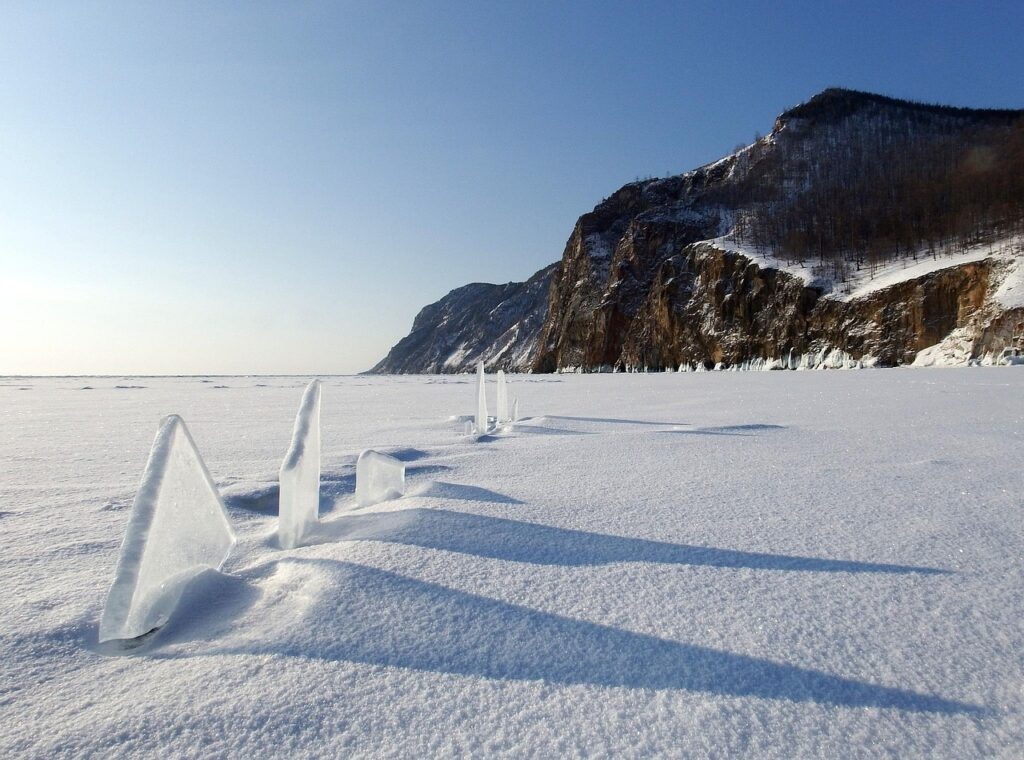
During the harsh Siberian winters, when Lake Baikal freezes over, the Baikal seals demonstrate incredible ingenuity. They maintain breathing holes in the ice, which can be several feet thick, using their sharp claws and powerful bodies. These holes are vital for survival, allowing them to access air, rest, and hunt beneath the ice. According to research published in 2026, these breathing holes are crucial for their survival during the months when the lake is covered in ice, acting as vital access points to the water and to their resting spots.
What’s on the Baikal Seal’s Menu?
The diet of the Baikal seal is as unique as its habitat. Primarily, they subsist on the fish found in Lake Baikal, with their favorite prey being the golomyanka (also known as the Baikal oil fish) and various species of sculpin. The golomyanka is particularly interesting as it’s a translucent, fatty fish that makes up a significant portion of the Nerva’s diet, providing essential energy for survival in the cold environment.
These seals are adept hunters, capable of diving to impressive depths in pursuit of their meals. Reports suggest they can dive as deep as 400 meters (approximately 1,300 feet) and hold their breath for up to 40 minutes. This incredible diving ability allows them to access food sources that are unavailable to many other aquatic animals and to exploit the vast, deep waters of Lake Baikal effectively.
Beyond fish, their diet can also include mollusks and other small invertebrates found in the lake. The availability of these food sources fluctuates seasonally, and the Baikal seal has adapted to these changes, demonstrating flexibility in its feeding habits. The health of the fish population is directly linked to the health and population size of the Baikal seals, highlighting their role as apex predators within the lake’s ecosystem.
Life Cycle and Reproduction of the Nerva
The reproductive cycle of the Baikal seal is a critical aspect of its biology. Breeding typically occurs in late winter or early spring, often on the ice-covered surface of Lake Baikal. Females give birth to a single pup, usually around February or March.
The pups are born with a fluffy white coat, known as lanugo, which helps them stay warm on the ice. This white fur provides excellent camouflage against the snow and ice, protecting them from potential predators. The pups are dependent on their mothers for nourishment, feeding on rich milk for about two to three months.
During this nursing period, the pups grow rapidly, gaining significant weight. After weaning, they begin to develop their own blubber layer and start hunting for small fish. The Baikal seal has a relatively long lifespan for a pinniped, with individuals potentially living for 40 to 50 years. This longevity allows them to experience multiple breeding cycles and contribute significantly to the population’s gene pool.
As of 2026, studies continue to monitor the reproductive success rates, which are influenced by environmental factors like food availability and ice conditions. A successful breeding season is essential for maintaining the Baikal seal population in its unique freshwater home.
Behavioral Traits and Social Habits
Baikal seals exhibit a range of behaviors that are adapted to their specific environment. While they are solitary hunters for the most part, they can be seen congregating in larger groups, especially during molting seasons or when basking on ice floes or rocky shores near the lake.
These seals are known for their curiosity and intelligence. They have been observed interacting with their environment in playful ways, and their large eyes are indicative of good vision, which is crucial for hunting and navigating both in clear water and under ice. Their communication methods likely involve vocalizations, body language, and possibly scent marking, though much of this remains an area of ongoing research.
During the summer months, when much of the lake’s surface is ice-free, they often haul out onto rocks and islands. They are generally shy animals, preferring to avoid human contact. However, their presence is integral to the ecological balance of Lake Baikal. Their movements and foraging patterns influence fish populations, and they, in turn, are prey for other animals, though adult Baikal seals have few natural predators in their isolated habitat.
Conservation Efforts and Challenges
The Baikal seal is currently listed as ‘Least Concern‘ by the IUCN, a testament to the relatively healthy population numbers in recent years. Estimates from 2025 suggest a population of around 80,000 to 100,000 individuals, which is considered close to the lake’s carrying capacity. However, this status doesn’t mean they are free from threats.
One of the primary concerns is pollution. Lake Baikal, despite its size and remoteness, is susceptible to industrial and agricultural runoff. Chemicals and waste can enter the lake, impacting the health of the seals and their prey. Illegal hunting, though reduced, still poses a threat in some areas. Poachers may target them for their skins or meat, or as a byproduct of hunting other species.
Climate change is another significant worry. Alterations in ice formation patterns and water temperatures could affect the seals’ breeding grounds, hunting success, and overall habitat suitability. For instance, changes in ice cover might disrupt their ability to create and maintain breathing holes, essential for winter survival.
Conservation efforts are underway, focusing on monitoring the population, protecting critical habitats, and reducing pollution. International collaboration and local initiatives play a vital role in ensuring the long-term survival of this unique freshwater seal. According to a 2026 report from the Baikal Ecological Forum, continued monitoring of pollution levels and ice conditions is paramount for the Nerva’s future.
Common Misconceptions About the Baikal Seal
Despite their unique status, there are several common misconceptions about the Baikal seal that often arise from comparing them to their marine counterparts. One of the most prevalent is the assumption that they can easily adapt to saltwater environments. This is incorrect; their physiology is specialized for freshwater, and prolonged exposure to saline conditions would be detrimental.
Another mistake is underestimating their diving capabilities. While many seals dive deep, the Nerva’s ability to do so in a freshwater lake, often in near-freezing temperatures and low visibility, is particularly remarkable. They aren’t just casual swimmers; they are highly adapted aquatic hunters.
People also sometimes assume they are closely related to other freshwater seals. While some seals live in freshwater, the Baikal seal is a distinct species that evolved in isolation. Its closest relative, the ringed seal, has marine populations, making the Nerva’s purely freshwater existence even more extraordinary. Understanding these distinctions is key to appreciating their evolutionary significance.
Finally, some may believe that due to their remote habitat, they are entirely unaffected by human activity. However, pollution and climate change demonstrate that even seemingly isolated ecosystems are vulnerable. Awareness of these threats is vital for effective conservation.
Astonishing Adaptations for Freshwater Survival
The Baikal seal’s existence in a freshwater lake has driven a remarkable set of adaptations. Perhaps the most critical is their physiological ability to thrive without the high salt content of seawater. Their kidneys are highly efficient at regulating water and salt balance, a crucial trait for a freshwater mammal.
Their ability to survive the extreme cold is another marvel. Lake Baikal’s waters can drop to near freezing, and the winter ice cover is substantial. The Nerva possesses a thick blubber layer that insulates them from the cold, both in the water and when resting on ice. This blubber also serves as an energy reserve, vital during periods of food scarcity.
The development of specialized breathing holes in the ice is a behavior unique to Baikal seals and other ice-dwelling seals. They use their claws and snout to keep these holes open, which is a constant effort. This behavior ensures access to air and a means of escape from predators or harsh conditions below the ice. The efficiency with which they perform this task is a testament to their specialized evolution.
And, their diet, rich in fatty fish like the golomyanka, provides the necessary energy and nutrients for maintaining their blubber and sustaining their active lifestyle in a challenging environment. This dietary adaptation is a cornerstone of their survival strategy in Lake Baikal.
The Baikal Seal in Local Culture and Folklore
For the indigenous peoples living around Lake Baikal, the Nerva holds a special place in their culture and folklore. Historically, it has been a source of food and materials, but also a subject of respect and reverence. Stories and legends often feature the Baikal seal, weaving it into the spiritual fabric of the region.
Some local traditions may have viewed the Nerva as a spirit of the lake, an embodiment of its power and life. Understanding the cultural significance of the Baikal seal is as important as understanding its ecological role. It highlights the deep connection between humans and wildlife in this unique part of the world.
The ongoing conservation of the Baikal seal also reflects a growing awareness and appreciation for its cultural heritage. Efforts to protect the species are intertwined with preserving the traditions and stories associated with it, ensuring that this connection continues for future generations.
Ensuring the Baikal Seal’s Future
The Baikal seal’s journey from relative obscurity to a recognized symbol of Lake Baikal’s unique biodiversity has been significant. As of June 2026, the conservation status remains ‘Least Concern,’ but vigilance is essential. The future of the Nerva hinges on continued efforts to combat pollution, mitigate the impacts of climate change, and prevent illegal hunting.
Organizations and researchers are actively involved in monitoring the Baikal seal population, studying its health, and advocating for stronger environmental protections for Lake Baikal. Public awareness campaigns also play a crucial role in fostering a sense of responsibility towards this iconic species. The ecological health of Lake Baikal is intrinsically linked to the survival of the Baikal seal, making its protection a priority for the entire region.
By understanding the specific challenges and unique adaptations of the Baikal seal, we can better support the conservation efforts aimed at ensuring this freshwater enigma continues to thrive in its Siberian home for generations to come. The lessons learned from protecting the Nerva can also inform conservation strategies for other unique species facing similar environmental pressures worldwide.
Frequently Asked Questions
Are Baikal seals dangerous to humans?
Baikal seals are generally shy and avoid human contact. While any wild animal can potentially be dangerous if provoked or cornered, they are not considered aggressive towards humans. Their primary focus is on survival, hunting, and reproduction within their isolated lake environment.
What is the main difference between Baikal seals and ocean seals?
The most significant difference is their habitat: Baikal seals are exclusively freshwater dwellers, while most other seal species are marine. This freshwater specialization has led to unique physiological adaptations in the Nerva, particularly in how they manage salt and water balance.
How do Baikal seals survive the extreme cold of Lake Baikal?
They possess a thick layer of blubber for insulation and maintain breathing holes in the ice during winter. Their behavior, such as congregating in groups to share warmth and their ability to dive for food beneath the ice, also aids their survival.
What are the primary threats to Baikal seals?
Key threats include pollution entering Lake Baikal from industrial and agricultural sources, the impacts of climate change on ice formation and water temperature, and continued, though reduced, illegal hunting.
Can Baikal seals swim in the ocean?
No, Baikal seals are physiologically adapted for freshwater and can’t survive in saltwater environments. Their bodies are not equipped to handle the high salinity of the ocean, which would disrupt their internal water and salt balance.
How many Baikal seals are there in 2026?
Population estimates as of 2026 suggest there are between 80,000 and 100,000 Baikal seals. This number indicates a healthy population that’s near the estimated carrying capacity of Lake Baikal.
Information current as of June 2026; pricing and product details may change.
Editorial Note: This article was researched and written by the Made Me Mine editorial team. We fact-check our content and update it regularly. For questions or corrections, contact us.
Related read: Gamila Lumumba Shabazz: A Life and Legacy Guide
Related read: Did Helen Keller Fly a Plane? The Real Story.
Related read: Aesthetics Unleashed: Discovering the Beauty
Related read: The Language of Creativity: Exploring the Boundless World.