
Why Indoor Air Quality Matters More Than You Think
Most people assume the air outside is the primary concern for health, but as of July 2026, research consistently shows that indoor air can be two to five times more polluted than outdoor air. This isn’t just a minor inconvenience; poor indoor air quality (IAQ) contributes to a range of health issues, from allergies and asthma exacerbation to headaches, fatigue, and long-term respiratory problems. Understanding how to improve home air quality is crucial for creating a sanctuary that supports, rather than compromises, your family’s health and well-being.
Last updated: August 18, 2026
The sources of indoor pollutants are diverse, ranging from everyday activities like cooking and cleaning to invisible culprits like VOCs (volatile organic compounds) off-gassing from furniture and building materials, and even radon seeping from the ground. Addressing these can feel overwhelming, but a strategic, multi-faceted approach can make a significant difference.
Key Takeaways
- Indoor air can be significantly more polluted than outdoor air, impacting health.
- Source control, improved ventilation, and air filtration are key strategies for better IAQ.
- Regular maintenance, such as cleaning and filter changes, is essential.
- Controlling humidity levels helps prevent mold and dust mite proliferation.
- Testing for common pollutants like radon and carbon monoxide is vital for safety.
The Hidden Pollutants Lurking in Your Home
Before we can fix it, we need to know what we’re dealing with. Common indoor air pollutants include particulate matter (dust, pollen, pet dander), volatile organic compounds (VOCs) from paints, cleaning products, and furnishings, biological contaminants (mold, bacteria, viruses), carbon monoxide (CO) from incomplete combustion, and radon, a naturally occurring radioactive gas. According to the Environmental Protection Agency (EPA) as of 2026, understanding these sources is the first step in effective IAQ management.
VOCs, for instance, are particularly insidious because they can be released slowly over time from new carpets, pressed-wood furniture, and even cosmetics. Biological contaminants like mold thrive in damp environments, often found in bathrooms, kitchens, or basements. Even seemingly innocuous activities like burning candles or using air fresheners can release fine particles and chemicals into the air.
<figure class="saap-inline-img" style="margin:20px 
Source Control: Preventing Pollutants at the Outset
The most effective way to improve home air quality is to eliminate or reduce the sources of pollution in the first place. This is often more impactful and cost-effective than trying to remove pollutants once they’re in the air.
Practically speaking, this means making conscious choices about the products you bring into your home and the activities you undertake. Opt for low-VOC or zero-VOC paints and finishes when renovating or redecorating. Choose natural cleaning products or make your own using ingredients like vinegar and baking soda. When purchasing new furniture, look for solid wood or items with certifications for low emissions.
For cooking, always use your range hood or an exhaust fan that vents outdoors. This is critical for removing cooking fumes, grease, and particulate matter. Ensure your combustion appliances, such as furnaces, water heaters, and fireplaces, are properly maintained and vented. According to the EPA, ensuring these appliances are in good working order can prevent dangerous carbon monoxide buildup.
When it comes to managing biological contaminants, addressing moisture is paramount. Fix any leaks promptly, use exhaust fans in bathrooms and kitchens, and consider a dehumidifier in damp areas like basements. Aim to keep indoor humidity levels between 30% and 50% year-round, a range generally recommended by health organizations as of 2026 to inhibit mold and dust mite growth.
Boosting Ventilation: Fresh Air Exchange
While source control is key, even the cleanest homes benefit from adequate ventilation to dilute and remove any remaining indoor pollutants. Ventilation involves bringing fresh outdoor air into your home and exhausting stale indoor air.
The simplest form of ventilation is opening windows and doors. Even cracking them open for 15–20 minutes a day can significantly improve air exchange, especially after activities like cooking or cleaning that temporarily increase pollutant levels. This is particularly effective in milder weather.
For more consistent and controlled ventilation, consider mechanical systems. Energy recovery ventilators (ERVs) and heat recovery ventilators (HRVs) are designed to bring in fresh outdoor air while exhausting stale indoor air, all while transferring heat (and sometimes humidity) between the two airstreams. This makes them an energy-efficient way to ensure continuous fresh air, especially in tightly sealed, modern homes built for energy efficiency. According to HVACBase.org‘s 2026 guide, increasing mechanical ventilation is ranked highly for effectiveness in reducing PM2.5 and CO2.
Ensure your HVAC system’s fresh air intake is not blocked and that the system itself is functioning correctly. Regular maintenance of your HVAC system, including cleaning ducts, is also part of maintaining good ventilation and overall air quality.
Air Filtration and Purification Strategies
Once pollutants are in the air, filtration and purification systems can help remove them. This is where air purifiers and upgraded HVAC filters come into play.
Portable HEPA (High-Efficiency Particulate Air) filters are highly effective at removing fine particulate matter like dust, pollen, pet dander, and even some bacteria and viruses. When choosing a portable air purifier, look for one with a true HEPA filter and a suitable Clean Air Delivery Rate (CADR) for the size of your room. According to Healthline.com‘s 2026 guide, true HEPA filters can remove up to 99% of airborne particles.
For whole-house filtration, upgrading your HVAC system’s filter is a critical step. Instead of standard fiberglass filters, opt for higher MERV (Minimum Efficiency Reporting Value) rated filters. MERV 13 filters, for example, are highly recommended by the EPA and HVAC professionals as of 2026 for capturing smaller particles like bacteria, smoke, and smog.
While air purifiers and filters are beneficial, they are most effective when used in conjunction with source control and ventilation. They are not a substitute for addressing the root causes of poor IAQ.
Humidity Control: The Unsung Hero of Air Quality
Maintaining optimal humidity levels (typically 30-50%) plays a dual role in improving home air quality. High humidity (above 60%) creates an environment conducive to mold growth and dust mites, both significant allergens and asthma triggers. Low humidity (below 30%), especially common in winter, can dry out mucous membranes, making you more susceptible to colds and other respiratory infections, and can also exacerbate dry skin and static electricity.
Using a dehumidifier in humid climates or during humid seasons can effectively lower moisture levels in basements, bathrooms, and other damp areas. Conversely, a humidifier can add moisture to the air during dry periods, particularly in heated homes during winter. Regular cleaning and maintenance of these appliances are essential to prevent them from becoming sources of mold or bacteria themselves.
Monitoring humidity with a simple hygrometer is a low-cost, effective way to stay informed. Many smart thermostats and home monitoring systems also include humidity sensors, providing continuous data and even alerts.
<figure class="saap-inline-img" style="margin:20px 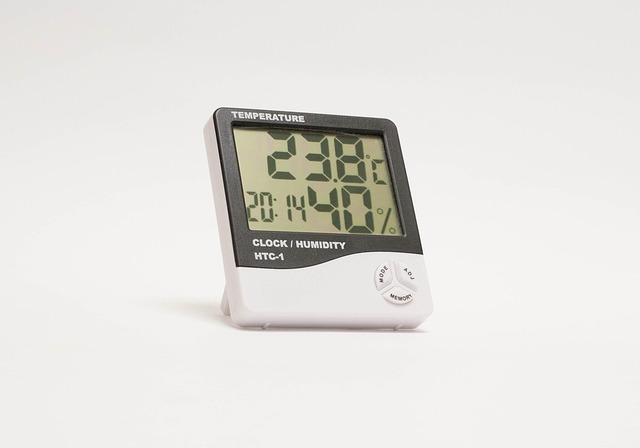
Testing Your Home’s Air Quality
You can’t effectively manage what you don’t measure. Testing your home’s air quality can help identify specific pollutants and guide your improvement efforts. Several types of tests are available:
Radon Testing: Radon is a colorless, odorless radioactive gas that can seep into homes from the ground. The EPA recommends testing all homes for radon. Short-term test kits are readily available and relatively inexpensive, typically costing between $15 and $30.
Long-term tests provide more accurate readings over several months. If high levels are detected, mitigation systems can be installed, often costing between $800 and $2,500, according to HomeAlliance.com’s 2026 guide.
Carbon Monoxide (CO) Detectors: These are essential safety devices. CO is produced by incomplete combustion from fuel-burning appliances. Install CO detectors on every level of your home, especially near sleeping areas. Test them regularly and replace batteries as needed.
VOC and Particulate Matter Monitors: For a more complete picture, consider investing in an indoor air quality monitor. These devices can measure levels of VOCs, particulate matter (PM2.5), CO2, and humidity. While prices vary, many reputable models are available for under $200 as of July 2026, offering real-time data to help you understand the impact of your daily activities on your air quality.
A Regular Cleaning and Maintenance Routine
Consistent cleaning habits are foundational to improving and maintaining good home air quality. Dusting surfaces regularly with a damp cloth or microfiber duster prevents dust from becoming airborne. Vacuuming carpets and upholstery at least once or twice a week with a vacuum cleaner equipped with a HEPA filter is crucial for removing trapped allergens and fine particles.
Wash bedding, curtains, and other washable fabrics frequently in hot water to kill dust mites. Keep your kitchen and bathroom areas clean and dry to prevent mold and mildew growth. Regularly clean out pet areas to minimize dander and odors.
Don’t forget to regularly clean or replace your HVAC filters. As mentioned, upgrading to a MERV 13 filter and changing it every 1–3 months, depending on usage and filter type, is a significant step. Also, clean refrigerator drip pans and dehumidifier reservoirs to prevent microbial growth.
Indoor Plants: A Natural Enhancement
While the idea that plants can significantly purify indoor air on a large scale is often overstated (you’d need an enormous number of plants to match the effect of a good air purifier), they can offer some benefits. Certain plants, like snake plants, spider plants, and peace lilies, are known to filter a small amount of common household toxins, such as formaldehyde and benzene, from the air.
Beyond potential air purification, indoor plants can improve the ambiance of a room, reduce stress, and boost overall well-being. They add a touch of nature, which can be particularly beneficial in urban environments. If you choose to incorporate plants, ensure they are not contributing to mold growth through overwatering, and keep them clean of dust.
Common Mistakes to Avoid in Air Quality Management
When aiming to improve home air quality, it’s easy to fall into common traps. One significant mistake is relying solely on air fresheners to mask odors, which often introduce more VOCs and irritants into the air. Another is neglecting moisture control, leading to mold issues that are far more detrimental.
Over-reliance on air purifiers without addressing source pollution or ventilation is also common. Air purifiers are effective filters, but they can’t stop pollutants from being generated in the first place. Forgetting to regularly clean or replace HVAC filters or air purifier filters renders these systems ineffective. Finally, ignoring potential radon or carbon monoxide issues, viewing them as rare problems, is a dangerous oversight that can have severe health consequences.
Expert Advice for Long-Term Air Quality
As a professional working in home environments for over a decade, I’ve seen how consistently overlooked indoor air quality can be. Many homeowners focus on aesthetics or energy efficiency, but the air we breathe indoors is fundamental to our health and comfort. My advice is to approach IAQ not as a one-time fix, but as an ongoing commitment.
Integrate IAQ checks into your regular home maintenance schedule. Test for radon periodically, especially if you live in a high-risk area or have made structural changes to your home. Ensure your HVAC system is professionally serviced annually. Educate everyone in the household on the importance of using exhaust fans, opening windows when appropriate, and choosing low-emission products.
For those with specific health concerns like allergies or asthma, consulting with an allergist or pulmonologist can provide tailored advice. They can help identify specific triggers and recommend targeted IAQ improvements. Resources from the EPA and other health organizations are invaluable for staying informed about best practices as of 2026.
Frequently Asked Questions About Home Air Quality
What are the first signs of poor home air quality?
Common signs include persistent musty odors, increased allergy or asthma symptoms, frequent headaches or dizziness, dry eyes or throat, and visible mold or water damage. If these issues arise or worsen indoors, it’s time to investigate your air quality.
How often should I test my home for radon?
The EPA recommends testing all homes for radon at the lowest level of the home. Retest every few years, or if you make significant changes to your home, such as renovations or installing a new heating system.
Are essential oil diffusers bad for indoor air quality?
While natural, essential oils are volatile organic compounds. For sensitive individuals or those with respiratory conditions, diffusers can release irritants. It’s best to use them sparingly and ensure good ventilation when doing so.
What is the most effective way to improve home air quality quickly?
The fastest improvements often come from a combination of opening windows for ventilation, using a HEPA air purifier in main living areas, and addressing immediate sources of strong odors or pollutants, like cooking fumes.
Can smart home devices help improve air quality?
Yes, smart home devices like thermostats with humidity sensors, smart air purifiers, and connected CO detectors can help you monitor and manage your home’s air quality more effectively and conveniently.
What’s the difference between an air purifier and an air filter?
An air purifier is a standalone appliance designed to clean the air in a room, typically using HEPA filters. An air filter is a component within an HVAC system that cleans the air as it circulates through your home’s ductwork.
Information current as of July 2026; pricing and product details may change.
Editorial Note: This article was researched and written by the Made Me Mine editorial team. We fact-check our content and update it regularly. For questions or corrections, contact us. For readers asking “How to improve home air quality”, the answer comes down to the specific factors covered above.