
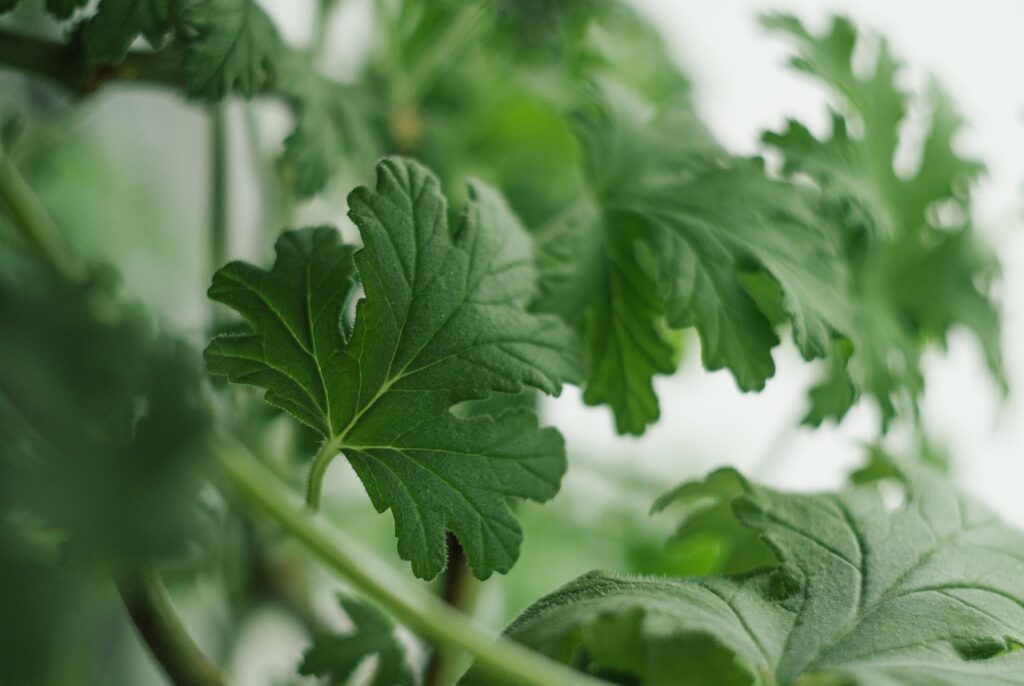
Perennial geranium geranium: What Exactly Are Perennial Geraniums?
Most readers searching for “perennial geranium geranium” are looking for reliable, long-season color in their gardens. As of June 2026, these hardy plants, often called cranes bills, are distinct from the annual bedding geraniums (Pelargoniums) typically found in garden centers for summer displays. True perennial geraniums are strong, return year after year, and offer a diverse range of foliage textures and flower colors, from delicate blues and purples to vibrant pinks and whites.
Last updated: June 12, 2026
They’re celebrated for their resilience, adaptability, and relatively low maintenance. Unlike their annual cousins, these varieties are built to withstand winter’s chill and emerge with renewed vigor each spring, providing dependable beauty for you’re landscape design.
Why Choose Cranes bill Geraniums for Your Garden?
The primary draw of cranes bill geraniums, or hardy geraniums, is their enduring presence and versatility. They’re ideal for gardeners seeking a ‘set it and forget it’ option, offering weeks, often months, of bloom with minimal intervention. Their varied growth habits make them suitable for almost any garden situation from spilling over the edges of containers and pathways to forming a lush ground cover or acting as a structural element in perennial borders.
Plus, according to the Royal Horticultural Society (RHS) 2026 guide to hardy perennials, many varieties are remarkably tough. They can tolerate a range of soil conditions and are often resistant to common garden pests like deer and rabbits, a significant advantage for many home gardeners.
Popular Perennial Geranium Varieties to consider
With dozens of species and cultivars available, choosing the right perennial geranium can seem daunting, but a few stands out for their performance and widespread appeal. For a compact, silvery foliage with charming pink-violet flowers, Geranium cinereum ‘Ballerina’ is a superb choice. It thrives in well-drained soil and full sun to light shade, making it perfect for rock gardens or the front of a border.
If you’re looking for a vigorous ground cover with attractive, deeply lobed leaves and bright magenta flowers, Geranium macrorrhizum is your go-to. It’s incredibly tough, tolerates dry shade exceptionally well, and its aromatic foliage can help suppress weeds. For a taller, more dramatic statement, Geranium ‘Rozanne’ is a modern marvel, blooming prolifically from late spring well into fall with large, vibrant violet-blue flowers.
Planting and Care Tips for 2026 Gardens
Getting perennial geraniums established is straightforward; most prefer well-drained soil. While many tolerate full sun, some varieties, especially those with finer foliage, appreciate afternoon shade in hotter climates. When planting, dig a hole twice the width of the root ball and just as deep. Gently loosen the roots and place the plant in the hole, backfilling with soil.
Water thoroughly after planting. For the first year, keep the soil consistently moist but not waterlogged. Once established, perennial geraniums are quite drought-tolerant. As of June 2026, the consensus among horticulturalists is that a light feeding in spring with a balanced, slow-release fertilizer is sufficient for most types. Over-fertilizing can lead to lush foliage at the expense of flowers.
Overcoming Common Perennial Geranium Problems
While hardy geraniums are generally trouble-free, a few issues can arise. Powdery mildew can sometimes affect the foliage, especially in humid conditions or when plants are overcrowded. Good air circulation is key; ensure plants aren’t packed too tightly.
If mildew appears, removing affected leaves and improving airflow can help. Some sources, like the University of Maryland Extension (2024), suggest that choosing mildew-resistant varieties can prevent this issue altogether.
Another common mistake is overwatering, which can lead to root rot. Ensure your soil drains well. If you’re planting in heavy clay, amending the soil with compost or grit is crucial. Another practical tip is to deadhead spent flowers if you want to encourage more blooms, though many modern cultivars like ‘Rozanne’ have a long bloom period without deadheading.
Perennial Geraniums in Landscaping and Garden Design
The adaptability of perennial geraniums makes them stars in various landscaping applications. They are excellent for edging pathways and beds, their low-growing habit creating a neat, colorful border. Varieties like Geranium sanguineum (Bloody Cranes bill) spread effectively to create a dense ground cover, suppressing weeds and adding texture to slopes or tricky areas where grass struggles to grow.
In mixed perennial borders, they provide a mid-season burst of color and can be paired with a wide array of plants. Consider combining them with taller plants like delphiniums or ornamental grasses for contrast. For containers, choose compact varieties or allow trailing types to cascade over the sides, bringing perennial charm to patios and balconies.
How to Propagate Hardy Geraniums
Propagating perennial geraniums is surprisingly easy and rewarding. The most common method is division. In early spring or fall, carefully dig up a mature plant. Gently pull or cut the root ball into sections, ensuring each section has healthy roots and at least one viable shoot. Replant the divisions immediately into well-prepared soil.
Some varieties can also be propagated from seed, though this often takes longer and may not produce plants true to the parent type, especially with hybrid cultivars. Softwood cuttings taken in late spring or early summer can also be rooted successfully. These methods allow you to expand your collection or share these wonderful plants with friends and family without significant cost.
Companion Plants for Perennial Geraniums
Choosing companion plants that complement perennial geraniums can enhance the overall beauty and health of your garden. For sunny spots, consider pairing them with plants that also enjoy good drainage and don’t mind drying out between waterings, such as lavender, salvia, or echinacea. Their bloom times can be staggered for continuous color.
In shadier areas, hostas, ferns, and astilbes make excellent companions. The broad leaves of hostas provide a lovely contrast to the delicate foliage of geraniums, while ferns add a lush, textural element. This thoughtful pairing not only creates visually appealing garden vignettes but can also help deter pests and improve soil conditions, contributing to a more resilient garden ecosystem.
Frequently Asked Questions
Are perennial geraniums truly perennial?
Yes, perennial geraniums, also known as cranes bills, are reliably perennial plants. They are hardy and return year after year from their root systems, unlike annual geraniums (Pelargoniums) which are typically discarded after one season.
Can perennial geraniums grow in full shade?
While many varieties prefer full sun to partial shade, some types, particularly Geranium macrorrhizum, are exceptionally shade-tolerant and can thrive in less sunny locations, often spreading effectively as ground cover.
When is the best time to plant perennial geraniums?
The ideal times to plant perennial geraniums are in the spring after the last frost or in early fall before the ground freezes. Perennial geranium geranium allows the roots to establish before extreme weather conditions set in.
How tall do perennial geraniums typically grow?
Growth height varies significantly by species and cultivar. Compact varieties like Geranium cinereum ‘Ballerina’ may only reach 6–8 inches, while taller types like Geranium psilostemon can grow up to 3 feet tall.
Do perennial geraniums attract pollinators?
Absolutely. They’re excellent for attracting bees, butterflies, and other beneficial pollinators to your garden with their nectar-rich flowers.
What is the difference between hardy geranium and annual geranium?
Hardy geraniums (cranes bills) are true perennials that die back in winter and regrow in spring. Annual geraniums (Pelargoniums) are tender plants that can’t survive frost and are usually treated as annuals in most climates.
Finally: Embrace the Hardy Geranium
Perennial geraniums, or cranes bills, offer gardeners a fantastic combination of beauty, resilience, and ease of care. As of June 2026, their popularity continues to grow because they reliably deliver vibrant color and texture season after season with minimal fuss. Whether you’re looking for a ground cover, border plant, or container feature, there’s a hardy geranium to suit your needs.
Actionable Takeaway: Choose at least one hardy geranium variety for your garden this year. Focus on selecting a type suited to your light conditions and desired growth habit, and enjoy their dependable blooms without the usual gardening headaches.
Information current as of June 2026; pricing and product details may change.
Editorial Note: This article was researched and written by the Made Me Mine editorial team. We fact-check our content and update it regularly. For questions or corrections, contact us. Knowing how to address perennial geranium geranium early makes the rest of your plan easier to keep on track.
Related read: Simbramento: The Art of Culinary Harmony & Balance
Related read: Area Code 409: Exploring Southeast Texas
Related read: Aguaris: Essential Tips for UK Gardeners
Related read: Best Home Improvements to Increase Value.