What Is a Telemetry System?
A telemetry system is an advanced technological solution designed to remotely collect, transmit, and analyze data from various devices, environments, or processes. The term “telemetry” originates from Greek words meaning “measurement at a distance,” which accurately reflects its core purpose.
In today’s data-driven world, telemetry systems play a crucial role across multiple industries. From monitoring industrial machinery to tracking patient health, these systems allow users to access real-time information without being physically present. This capability not only improves efficiency but also enhances decision-making and operational control.
How Do Telemetry Systems Work?
At the heart of every telemetry system lies a simple yet powerful process: data collection, transmission, and analysis. The system begins with sensors and measuring devices that capture specific parameters such as temperature, pressure, humidity, motion, or energy consumption.
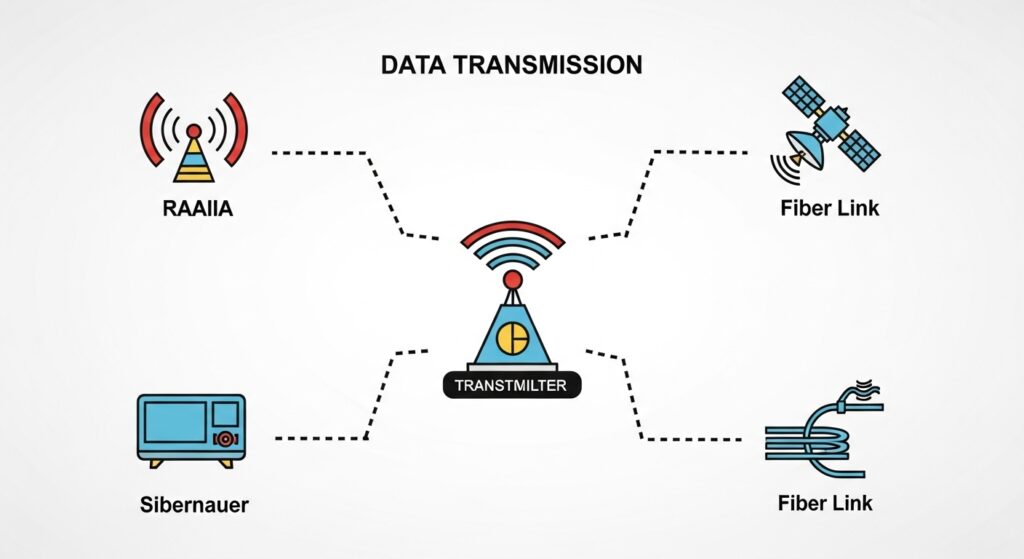
Once collected, the data is transmitted through communication networks. These may include cellular networks (GSM, LTE), Wi-Fi, satellite connections, or low-power wide-area networks like LoRaWAN. The choice of communication method depends on the application, range requirements, and environmental conditions.
After transmission, the data is received by a central system, often cloud-based or hosted on a local server. Here, advanced software tools process and analyze the information, presenting it in a user-friendly format such as dashboards or alerts. This allows users to monitor systems in real time and respond quickly to any anomalies.
Applications of Telemetry Systems
Telemetry systems are incredibly versatile and are used across a wide range of industries. Their ability to provide real-time insights makes them invaluable in both large-scale operations and smaller, specialized environments.
In the industrial sector, telemetry is commonly used to monitor machinery performance. By tracking key metrics, companies can identify potential failures before they occur, reducing downtime and maintenance costs.
In the energy industry, telemetry systems help monitor power consumption and manage distribution networks. This leads to improved efficiency, reduced waste, and better resource management.
Agriculture has also embraced telemetry through precision farming. Farmers can monitor soil moisture, weather conditions, and crop health, enabling smarter decisions that increase yields while minimizing resource use.
In healthcare, telemetry systems are used for remote patient monitoring. Devices can track vital signs such as heart rate, blood pressure, and oxygen levels, allowing medical professionals to oversee patients without requiring constant in-person visits.
Key Benefits of Telemetry Systems
One of the most significant advantages of telemetry systems is real-time data access. This enables immediate decision-making and faster responses to changing conditions, which is critical in time-sensitive environments.
Automation is another major benefit. Telemetry eliminates the need for manual data collection, reducing human error and freeing up valuable time for employees to focus on more strategic tasks.
Improved safety is also a key advantage. Continuous monitoring allows for early detection of irregularities, helping prevent accidents, equipment failures, or system breakdowns.
Additionally, telemetry systems contribute to cost optimization. By analyzing usage patterns and system performance, organizations can identify inefficiencies and implement cost-saving measures.
Technologies Behind Telemetry
Modern telemetry systems rely on a combination of cutting-edge technologies. One of the most important is the Internet of Things (IoT), which enables devices to communicate and share data seamlessly.
Communication technologies also play a vital role. Depending on the use case, systems may utilize cellular networks, satellite communication, or low-power networks designed for long-range data transmission with minimal energy consumption.
Data analytics and artificial intelligence further enhance telemetry capabilities. These technologies allow systems to process large volumes of data, identify patterns, and even predict future outcomes, making telemetry systems more intelligent and proactive.
Challenges of Implementing Telemetry Systems
Despite their many advantages, telemetry systems are not without challenges. One of the primary concerns is the initial cost of implementation. Setting up sensors, communication infrastructure, and software platforms can require significant investment.
Data security is another critical issue. Since telemetry systems involve transmitting sensitive information, they must be protected against cyber threats through encryption and secure protocols.
Integration with existing systems can also be complex. Organizations may need to upgrade or modify their infrastructure to ensure compatibility with new telemetry solutions.
Finally, there is the need for proper training. To fully benefit from telemetry systems, users must understand how to interpret data and operate the associated software tools effectively.
The Future of Telemetry Systems
The future of telemetry systems looks promising as technology continues to evolve. With advancements in IoT, artificial intelligence, and wireless communication, telemetry solutions are becoming more powerful and accessible.
One major trend is the integration of telemetry into smart cities. These systems can help manage traffic, optimize energy use, and improve public services, ultimately enhancing the quality of urban life.
Environmental monitoring is another growing area. Telemetry can be used to track air quality, water levels, and pollution, supporting efforts to protect the environment and promote sustainability.
Personalization is also expected to play a larger role. Future telemetry systems will deliver more tailored insights, allowing users to make highly specific and informed decisions based on their unique needs.
Conclusion
Telemetry systems have become an essential component of modern technology, enabling remote monitoring and real-time data analysis across countless applications. Their ability to improve efficiency, enhance safety, and reduce costs makes them invaluable in today’s fast-paced world.
As technology continues to advance, telemetry systems will only grow in importance, offering even greater capabilities and opportunities. Whether in industry, healthcare, agriculture, or urban development, telemetry is shaping the way we understand and interact with the world around us.