
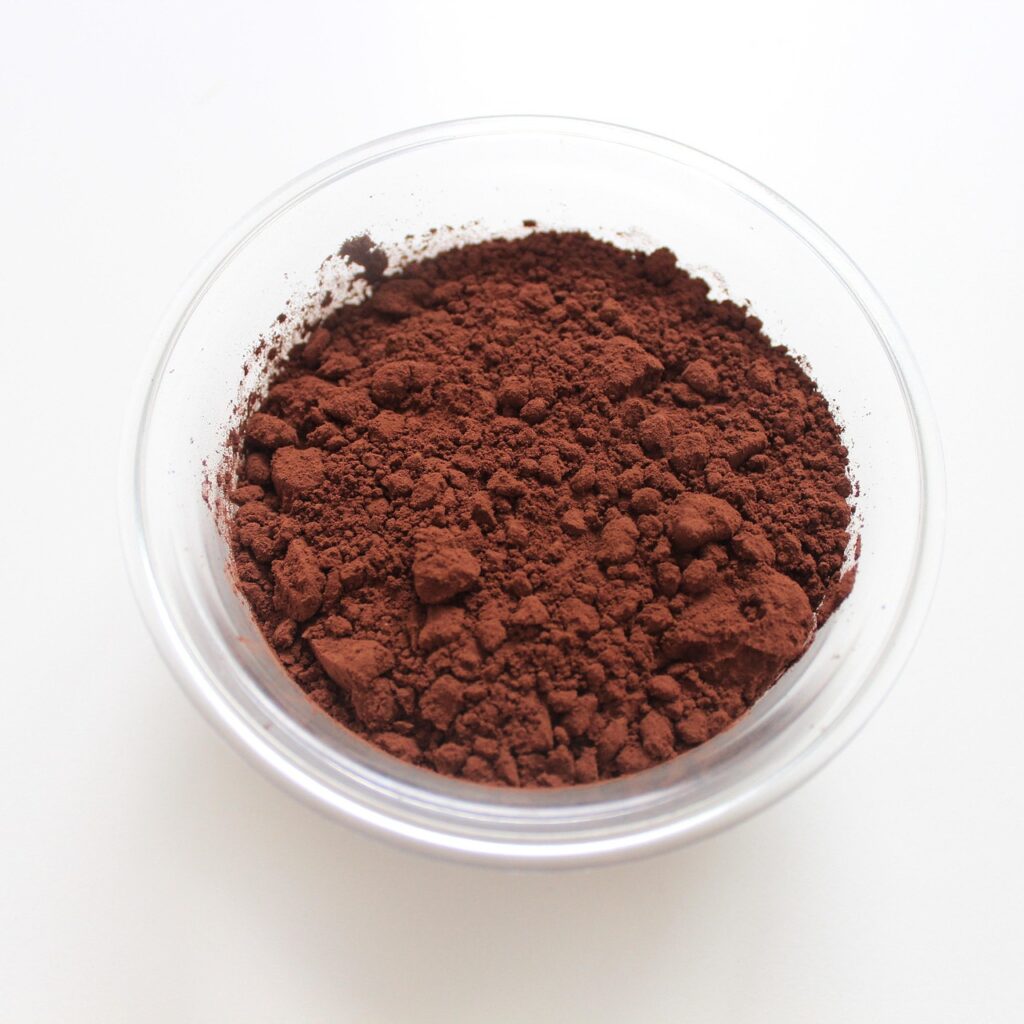
Why Electrolyte Powder is More Than Just Water
Most readers searching for electrolyte powder in 2026 are looking for a performance edge or a faster recovery. While plain water is essential, it often falls short during intense physical activity or prolonged heat exposure. Electrolyte powders provide a concentrated source of minerals like sodium, potassium, magnesium, and calcium, which are crucial for nerve function, muscle contraction, and fluid balance. Unlike bottled sports drinks, powders offer customizable concentrations and often fewer additives.
Last updated: July 3, 2026
Key Takeaways
- Electrolyte powders replenish essential minerals lost through sweat, supporting hydration and bodily functions.
- They offer customizable hydration levels and can be more cost-effective than pre-made drinks.
- Key ingredients to look for include sodium, potassium, magnesium, and calcium, with varying ratios depending on need.
- Consider sugar content, artificial sweeteners, and added vitamins based on your personal goals and dietary preferences.
- Proper timing and dosage are crucial for maximizing benefits during or after strenuous activity.
Understanding Your Electrolyte Needs
The fundamental role of electrolytes is to maintain fluid balance in your body. When you sweat, you lose not only water but also critical minerals. This depletion can lead to fatigue, muscle cramps, headaches, and reduced cognitive function. According to the Cleveland Clinic, significant electrolyte loss can even impact heart rhythm.
Your individual needs vary based on activity level, climate, and personal physiology. For instance, endurance athletes training in hot conditions (above 80°F or 27°C) will lose considerably more sodium than someone engaging in moderate exercise in a cool environment.
Key Electrolytes and Their Roles
While many formulations exist, understanding the primary electrolytes is key to choosing the right powder.
- Sodium: Crucial for fluid balance and nerve impulse transmission. It’s the primary electrolyte lost in sweat.
- Potassium: Works with sodium to regulate fluid levels and supports muscle contractions and nerve signals.
- Magnesium: Involved in over 300 biochemical reactions in the body, including muscle and nerve function, energy production, and protein synthesis.
- Calcium: Essential for bone health, but also plays a role in muscle function and blood clotting.
Some electrolyte powders also include other minerals like chloride, phosphate, and trace minerals, often with added vitamins like B vitamins or Vitamin C for further support.
How to Choose the Right Electrolyte Powder
Navigating the market in 2026 offers a spectrum of choices. The best electrolyte powder for you depends heavily on your specific needs. Consider these factors:
1. Your Activity Level and Duration
For casual workouts under an hour, a basic hydration mix might suffice. For prolonged endurance activities (over 90 minutes) or high-intensity training, look for formulas with higher sodium and carbohydrate content to fuel performance and prevent hypokalemia, a dangerous condition of low blood sodium.
2. Sugar Content and Type
Some powders contain added sugars (like dextrose or maltodextrin) to provide quick energy. Others are sugar-free, relying on artificial sweeteners (like sucralose or stevia) or natural non-caloric sweeteners. If you’re aiming for pure rehydration without the sugar rush, opt for sugar-free options. For sustained energy during long events, a moderate amount of sugar can be beneficial.
3. Sodium-to-Potassium Ratio
Most sports scientists agree that sodium is paramount for rehydration due to its role in fluid retention. Many effective electrolyte powders prioritize sodium. For example, LMNT, a popular choice among athletes, boasts a high sodium content (around 1000mg per serving) with lower potassium (around 200mg).
4. Additives and Allergens
Check ingredient lists for artificial colors, flavors, or common allergens if you have sensitivities. Some brands focus on minimal, clean ingredients for those prioritizing natural options.
Top Electrolyte Powders in 2026: A Comparison
The world of hydration supplements is strong, with several brands consistently praised for their efficacy and ingredient profiles. Here’s a look at some leading options:
| Brand | Key Features | Best For | Potential Drawbacks |
|---|---|---|---|
| LMNT | High sodium (1000mg), no sugar, minimal ingredients. Flavored with stevia. | Endurance athletes, heavy sweaters, keto dieters. | High sodium may not be suitable for everyone; some dislike stevia flavor. |
| Cure Hydration | Balanced electrolytes (500mg sodium, 370mg potassium), coconut water powder base, organic ingredients. | Everyday hydration, moderate exercise, travel. | Contains coconut water, a potential allergen for some; moderate sugar content. |
| Liquid I.V. Hydration Multiplier | Cellular Transport Technology (CTT) aims for rapid absorption, 11g sugar per packet. | Rapid rehydration post-illness or intense exertion. | High sugar content; proprietary blend makes exact electrolyte ratios less transparent. |
| Nuun Sport | Effervescent tablets, low sugar, good range of electrolytes. Convenient for on-the-go. | General fitness, cycling, travel. | Lower electrolyte concentration per serving compared to powders; artificial sweetener taste. |
| Drip Drop | Medical-grade ORS (Oral Rehydration Solution) formulation, WHO-recommended ratios. | Severe dehydration, travel, medical support. | Can be more expensive; taste may be less palatable than recreational options for some. |
According to the Forbes Vetted 2026 guide, individual serving costs can range from approximately $0.53 to $1.50, depending on the brand and purchase volume.
When and How to Use Electrolyte Powder
The timing of your electrolyte intake can significantly impact its effectiveness. For optimal results, consider these guidelines:
- Pre-Hydration: Consuming electrolytes 1–2 hours before prolonged exercise can help ensure you start well-hydrated.
- During Exercise: For activities exceeding 60–90 minutes, especially in heat, sipping on an electrolyte drink can help maintain performance and prevent dehydration. Aim for 150-350 ml (5-12 oz) every 15–20 minutes, adjusting based on sweat rate.
- Post-Exercise Recovery: Replenishing electrolytes after strenuous activity is crucial for muscle recovery and rehydration. Consuming a mix within 30–60 minutes post-workout is often recommended.
Practically speaking, always follow the manufacturer’s instructions for mixing. Too little water can lead to an overly concentrated drink, while too much can dilute the electrolyte content, making it less effective.
Common Mistakes to Avoid
Even with the best intentions, several common pitfalls can hinder the effectiveness of electrolyte powders:
- Over-reliance on Sugar-Free Options: While beneficial for keto or low-sugar diets, some athletes need carbohydrates for energy. Relying solely on sugar-free options during long events might lead to energy depletion.
- Ignoring Sodium Needs: Many people underestimate their sodium loss, especially in hot environments. Under-dosing sodium can be counterproductive for rehydration.
- Mixing Too Weakly: Diluting the powder too much reduces the electrolyte concentration, lessening its impact. Always measure your water accurately.
- Confusing with Energy Drinks: Electrolyte powders are for hydration and mineral replenishment, not necessarily for energy bursts like traditional energy drinks, which are often loaded with stimulants and high sugar.
A common mistake is assuming any electrolyte mix is suitable for all situations. For instance, a general hydration powder might not provide enough fuel for a marathon runner, whereas a medical-grade Oral Rehydration Solution (ORS) might be overkill for a light jog.
Expert Insights for Peak Performance
From a different angle, Yasir Qureshi, a professional fitness consultant, emphasizes that electrolyte balance is not just for elite athletes. “Even weekend warriors or individuals working physically demanding jobs can benefit significantly from smart hydration,” he notes. “Pay attention to thirst, but also to other indicators like muscle fatigue or lightheadedness, especially in warmer weather.” He also points out that for extended, very high-intensity efforts, combining electrolyte intake with easily digestible carbohydrates is often necessary for sustained performance, a strategy seen in competitive cycling or ultramarathons.
And, as of July 2026, research from institutions like the American College of Sports Medicine continues to refine optimal hydration strategies. While older guidelines often focused on strict fluid intake volumes, the current understanding emphasizes personalized strategies that account for individual sweat rates and electrolyte losses, highlighting the value of products that allow for adjustable concentrations.

Frequently Asked Questions About Electrolyte Powder
What are the primary benefits of electrolyte powder?
Electrolyte powders help restore essential minerals lost through sweat, supporting fluid balance, nerve function, muscle contractions, and overall hydration, which is crucial for physical performance and recovery.
Can I use electrolyte powder every day?
For most active individuals, daily use is safe and beneficial. However, if you lead a sedentary lifestyle and are not experiencing significant fluid loss, daily use may not be necessary. Always consider your activity level and consult a healthcare professional if unsure.
Are electrolyte powders safe for children?
Yes, specially formulated children’s electrolyte powders are available and safe for kids experiencing dehydration due to illness or heat. Standard adult formulas may have concentrations too high for children, so always opt for age-appropriate products.
What’s the difference between electrolyte powder and sports drinks?
Powders offer customizable concentrations and often fewer additives and sugars than pre-made sports drinks. They can be more cost-effective and convenient to transport and mix as needed.
Can electrolyte powder help with headaches?
Dehydration and electrolyte imbalances, particularly low sodium, can trigger headaches. Replenishing electrolytes with a suitable powder can help alleviate headaches caused by these specific causes.
How long does it take for electrolyte powder to work?
The effects can be felt relatively quickly, often within 30–60 minutes, as the electrolytes are absorbed into the bloodstream to help restore fluid balance and support bodily functions.
Information current as of July 2026; pricing and product details may change.
Editorial Note: This article was researched and written by the Made Me Mine editorial team. We fact-check our content and update it regularly. For questions or corrections, contact us.