o leaving lint.
- Choosing the right material (cotton vs. Linen) depends on your needs for absorbency, quick-drying, and lint-free performance.

June 12, 2026
Yasir Qureshi
o leaving lint.
The story of the tea towel, as reported by various textile historians, stretches back centuries. Originally, these cloths weren’t primarily for drying dishes as we know them today. Instead, they served a more refined purpose: to protect delicate porcelain teacups and saucers from damage during handling and to keep them warm.
Last updated: June 12, 2026
In the 18th and 19th centuries, tea was a significant social ritual, and the accompanying crockery was often expensive and finely crafted. A finely woven cloth, usually linen, was the perfect material to wrap around these delicate items, preventing chips and scratches while also retaining warmth. This historical context explains why many traditional tea towels are made of linen, a material known for its strength and absorbency without excessive lint.
The term “tea towel” stuck, even as their function evolved. Over time, especially with the rise of cotton as a more accessible textile, their role expanded to include general kitchen drying tasks. This evolution is why, as of 2026, the line between a tea towel and other kitchen towels can sometimes feel blurred.
This is where much of the confusion lies. While both are absorbent cloths used in the kitchen, there are key distinctions. A dish towel, often referred to as a tea towel in some regions, is typically made from thicker, more terry-cloth-like material. Its main job is absorbing a lot of water quickly, making it ideal for drying plates, pots, and pans.
Tea towels, on the other hand, are generally thinner and more tightly woven, often from cotton or linen. This weave makes them excellent for polishing glassware and silverware without leaving lint or streaks. Their finer texture also means they dry faster than their bulkier dish towel counterparts. According to textile manufacturers, while both are absorbent, a good linen tea towel can absorb up to 20% of its weight in water before feeling wet.
Practically speaking, you can use a tea towel as a dish towel, and vice versa, but you might not get the optimal results. Using a terry cloth dish towel to polish wine glasses will likely leave lint. Conversely, using a thin tea towel for a large pot of boiling water might not be as efficient as a thicker dish towel.
The material of a tea towel significantly impacts its performance. As of June 2026, the two most common and effective materials are cotton and linen, each with its own set of advantages.
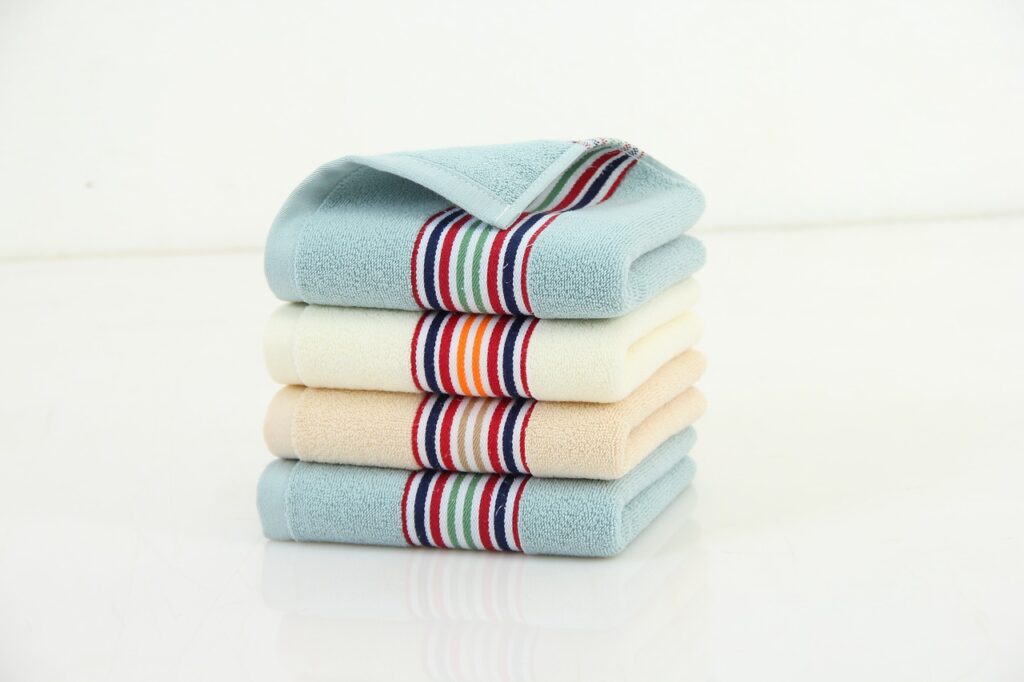
Cotton Tea Towels: Cotton is a popular choice due to its softness, absorbency, and affordability. It’s generally durable and can be machine washed and dried easily. Cotton tea towels are excellent all-rounders for general kitchen tasks, from drying hands to wiping down counters. However, some cotton weaves can be prone to leaving lint, especially when new or if they have a looser weave.
Linen Tea Towels: Linen, derived from the flax plant, is renowned for its exceptional absorbency and quick-drying properties. It’s also incredibly strong and becomes softer with every wash. Linen tea towels are the gold standard for polishing glassware and delicate china because they are naturally lint-free.
While linen is typically more expensive than cotton, its durability means a high-quality linen tea towel can last for decades, making it a worthwhile investment for many. According to research by the Linen Organization (2025), linen fibers are also naturally antibacterial and resistant to mildew, adding to their hygienic appeal in the kitchen.
What this means in practice is that if your priority is streak-free shine on your wine glasses, opt for linen. If you need an everyday, hardworking towel for general drying and wiping, a good quality cotton tea towel will serve you well.
While drying dishes and glassware is a primary function, tea towels are surprisingly versatile. Their fine weave and absorbent nature lend themselves to a variety of other practical kitchen tasks and even decorative uses.
1. Polishing and Shining: As mentioned, linen tea towels are perfect for buffing wine glasses, crystal, and silverware to a brilliant shine without streaks or fuzz. A quick polish before guests arrive can make a big difference.
2. Protecting Surfaces: Use a folded tea towel as a temporary trivet under hot pots and pans when a proper trivet isn’t handy. They can also be used to protect countertops from cutting boards or to wrap delicate items when moving them.
3. Baking Aid: A clean, dry tea towel is fantastic for covering rising bread dough, keeping it moist and warm. It can also be used to dry freshly washed produce or to gently line a colander for draining items like berries.
4. Serving and Presentation: In a pinch, a tea towel can be used as a casual bread basket liner or even as a makeshift napkin for less formal settings. Some people also use them to line picnic baskets for a touch of rustic charm.
5. Kitchen Décor: With the vast array of patterns, colors, and designs available as of 2026, tea towels have become a popular way to add personality to a kitchen. Hanging a beautifully designed tea towel can instantly brighten up the space, complementing your existing décor.
Even with these versatile cloths, there are common pitfalls that can reduce their lifespan or effectiveness. Being aware of these mistakes can help you get the most out of your kitchen linens.
Mistake 1: Using a dirty towel for drying. This is perhaps the most common error. A tea towel that’s been used to wipe up spills or dry greasy pans should be put in the wash. Reusing a dirty towel to dry clean dishes or your hands will only transfer germs and residue, defeating the purpose of cleaning.
Mistake 2: Over-reliance on one towel. For hygiene and efficiency, it’s best to have multiple tea towels in rotation. Using the same towel for drying dishes, wiping counters, and drying hands throughout the day can spread bacteria. A good rule of thumb is to switch out your kitchen towels every 1–2 days, or more frequently if they become visibly soiled.
Mistake 3: Improper washing and drying. While most cotton tea towels can go in a hot wash, delicate linen or heavily printed towels might require cooler temperatures or specific detergents. Over-drying in a hot dryer can also cause shrinkage or damage to natural fibers. Always check the care label.
Mistake 4: Confusing them with paper towels. Tea towels are reusable and designed for multiple uses. While convenient for small spills, relying solely on disposable paper towels can be costly and less environmentally friendly in the long run.
Mistake 5: Neglecting care for specific materials. For example, harsh detergents or bleach can degrade linen fibers over time, making them brittle. Using fabric softener on some cotton towels can also reduce their absorbency. Understanding the specific needs of cotton versus linen is key.
When you’re shopping for new tea towels in 2026, consider these factors to ensure you’re getting a functional and durable product that suits your needs.
Material: As discussed, cotton offers softness and absorbency, while linen provides superior lint-free polishing and durability. For general kitchen use, a high-quality 100% cotton or a cotton-linen blend works well. For glassware and high-shine tasks, 100% linen is often preferred.
Weave: Look for a tight, consistent weave. A tighter weave means better absorbency, less lint, and greater durability. Avoid towels that feel flimsy or have loose threads, as these are signs of lower quality.
Size: Standard tea towels typically range from 18×30 inches to 20×30 inches. Ensure the size is practical for your intended uses – large enough to handle tasks but not so large they become cumbersome.
Absorbency and Quick-Drying: These are key performance indicators. A good tea towel should absorb liquid readily and dry relatively quickly between uses. Linen excels in quick-drying, while dense cotton weaves also perform well.
Durability and Care Instructions: Check the care label. Ideally, choose towels that are machine washable and can withstand regular use and washing. Investing in a few high-quality towels that will last for years is often more economical than frequently replacing cheaper ones.
Proper care ensures your tea towels remain hygienic, absorbent, and attractive for years. Here are some essential tips for maintaining your kitchen linens:
Wash Regularly: Aim to wash your tea towels every 1–2 days, especially if used for drying dishes or hands. For general dusting or decorative purposes, they can be washed less frequently but should still be cleaned regularly to prevent odor and bacteria buildup.
Separate Colors and Whites: To preventcolors transfer, wash brightly colored or patterned tea towels separately from white or light-colored ones. This is especially important for new towels that might still be shedding excess dye.
Hot Water is Your Friend (Mostly): For cotton towels, washing in hot water (around 140°F or 60°C) helps to kill bacteria and remove stains effectively. For linen, especially older or more delicate pieces, a slightly cooler wash (around 100-120°F or 40-50°C) might be preferable to preserve the fibers.
Avoid Fabric Softeners and Bleach (with caveats): Fabric softeners can coat the fibers of both cotton and linen, reducing their absorbency over time. While bleach can be effective for whitening and sanitizing white cotton towels, it can damage linen fibers and fade colours on printed towels. Use a bleach alternative or a gentle stain remover for stubborn stains on delicate towels.
Air Dry or Low Heat: Air drying is the most gentle method and helps prolong the life of your tea towels. If using a dryer, opt for a low heat setting to prevent shrinkage and damage to the fibers. Ensure they are fully dry before storing to prevent mildew.
The primary purpose of a tea towel is to dry dishes, especially glassware and delicate china, without leaving lint or streaks. They are also used for polishing and can serve decorative functions in the kitchen.
Yes, tea towels are designed to be highly absorbent, particularly those made from linen or dense cotton weaves. They quickly soak up moisture, making them effective for drying tasks.
You can, but it’s not always ideal. Dish towels are typically thicker and better suited for absorbing large amounts of water from pots and pans. Tea towels excel at lint-free drying and polishing.
Linen is considered superior for lint-free polishing, while high-quality cotton or cotton-linen blends are excellent for general absorbency and everyday use.
For hygiene and performance, it’s recommended to wash tea towels every 1–2 days, especially if used for drying dishes or hands, or more frequently if visibly soiled.
Historically, they were used to protect fine china teacups and saucers and to keep them warm, rather than for drying dishes as is their primary modern use.
From their historical roots as protectors of fine china to their modern role as versatile kitchen helpers and decorative accents, tea towels have proven their enduring value. Understanding what defines a tea towel—its materials, weave, and intended purpose—allows you to make informed choices for your kitchen.
Actionable Takeaway: Next time you’re choosing kitchen linens, consider a set of quality linen tea towels specifically for polishing glassware and a set of absorbent cotton towels for general drying to elevate your kitchen’s functionality and style.
Information current as of June 2026; pricing and product details may change.
Source: Britannica
Editorial Note: This article was researched and written by the Made Me Mine editorial team. We fact-check our content and update it regularly. For questions or corrections, contact us. For readers asking “What is a tea towel”, the answer comes down to the specific factors covered above.
Related read: Scrolller Guide: Tips & Tricks for New Users.

Yasir Qureshi

August 23, 2026
Yasir Qureshi
August 23, 2026
Yasir Qureshi